A Lunch to Remember: Restaurant le Lion d’Or

Authored by Christina

On our first evening in town, Jean-Charles Cazes from Chateau Lynch Bages had offered to set us up with a lunch at what he described as a very local restaurant.  He said they had a wine locker there, and that it would be hard for us to get in on our own because the owner was a bit particular, but that he would take care of it.  And he most certainly did.

When we arrived at the Lion d’Or, we were completely charmed by its quaint exterior. The interior was divided into two rooms with a small billiards table on one side.  We were greeted in French by a thin, bespectacled waiter who seemed somewhat disgruntled by our presence.  He led us to a table in a dark corner at the back of the restaurant, picked up a key from the table that was marked, “Lynch Bages,” and in a very authoritative voice (and broken English, bless him), said, “You may have ONE bottle of wine from the locker.”  Honestly, it was all we could do to keep a straight face.

The Lynch Bages wine locker at Le Lion d'Or.
The Lynch Bages wine locker at Le Lion d’Or.

I couldn’t resist following Bob into the other dining area where he was led to the Lynch Bages locker.  While Bob was discussing our wine choice with the waiter, the crowded table near the locker was inspecting Bob.  Suddenly, one of that party hopped out of their seat to take a picture of Bob removing a bottle.  At this point, I was about to start laughing out loud.

We got the distinct impression from the staff that we were interlopers, outsiders, but honestly, we were so charmed with the novelty of the experience, I think we managed to charm the staff right back.  We managed to muddle through the menu together, and order some outstanding food.  Duck confit, these little fried potatoes – not quite pommes frites, not quite waffle fries – so good.  But the star of the show was the wine.

You see, we had made a bit of a tactical error in our trip planning – or rather, our expectations of what we would be drinking.  We drink enough aged Bordeaux at home to know how we like it, but it’s a tough pill to swallow when you know what you paid for the wine you have aging at home, and then you see it on the restaurant menus for more than ten times the price.  And naturally, at the tastings, most of what were sampling was newly released – you could taste the potential in many cases, but that was about it.  Not a lot of serious drinking for the pure enjoyment of it.

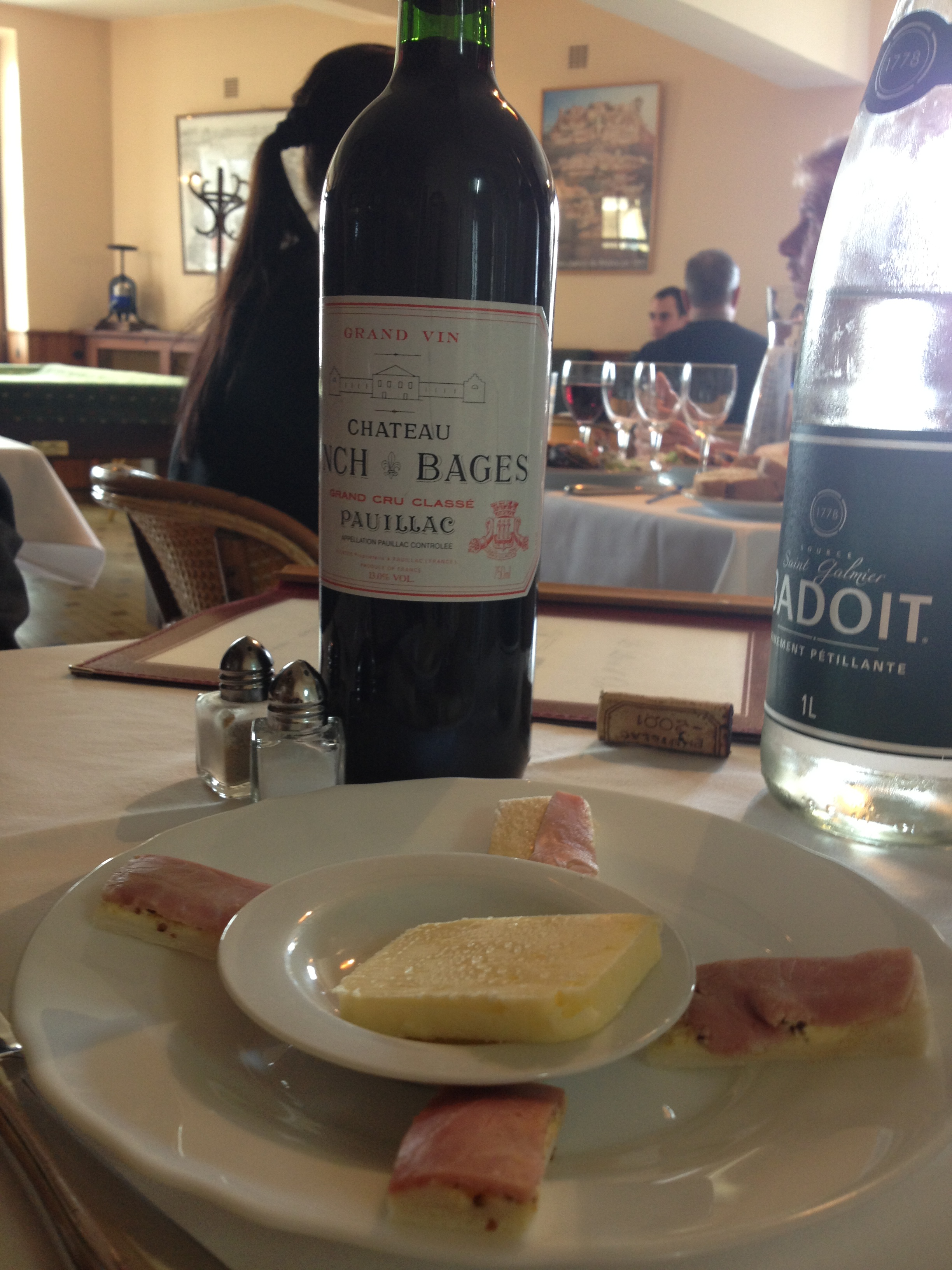
The waiter had prompted Bob to select a bottle of 2001 Chateau Lynch Bages, and the moment we tasted the wine we were so grateful for it.  Bob has handled the technical aspects of the wine in his review below, all I can say is that the wine took me immediately to my Bordeaux happy place.  We smiled, and toasted Jean-Charles.  Suddenly, I understood why the waiter said we could only have ONE bottle!

Christina with the 2001 Chateau Lynch Bages.

2001 Chateau Lynch Bages:  Deep dark garnet color, with a very good nose of red/black fruit, baking spices, forest floor and a hint of charred wood.  In the mouth, deep rich flavors of blackberry and dark bing cherries, with medium acid keeping it all lively.  The wine is full bodied, broad and expansive on the pallet, with a great combination of spices on the velvety smooth long sweet fruit filled finish.  The tannins are mostly resolved and the wine is drinking very well at this point in time, but will continue to add more complexity over the next decade.  If you have this wine in your cellar, the hard part will be not drinking it now.  The 2001 Lynch Bages is very elegant and a truly classic Bordeaux wine.
Bordeaux 2013 099
A nibble.

We later learned from other reviews of Lion d’Or, that the owner can be fairly temperamental.  Perhaps attitude is everything, or perhaps we got a good day.  At the end of our meal, the owner came out and sat at the table nearby, conversing in French with that group.  Then, turning to us, smiling and rubbing his generous belly, he asked us in broken English, “es good?”  We could only smile back our agreement.

Merci beaucoup, Jean-Charles!

Day Two, Stop Two: Chateau Lascombes

Chateau Lascombes is a beautiful, old, ivy-covered stone Chateau, but it is not one of the most widely known Chateau from the Margaux region.  Under new ownership in 2001, Chateau Lascombes changed how they were doing things in the vineyards and in the cellar.  They have made big improvements in their winemaking, especially since the 2004 vintage, which I think was their breakout year.  Lascombes was recently sold again in 2011, and currently employs Michel Rolland as a winemaking consultant.

Bordeaux 2013 093
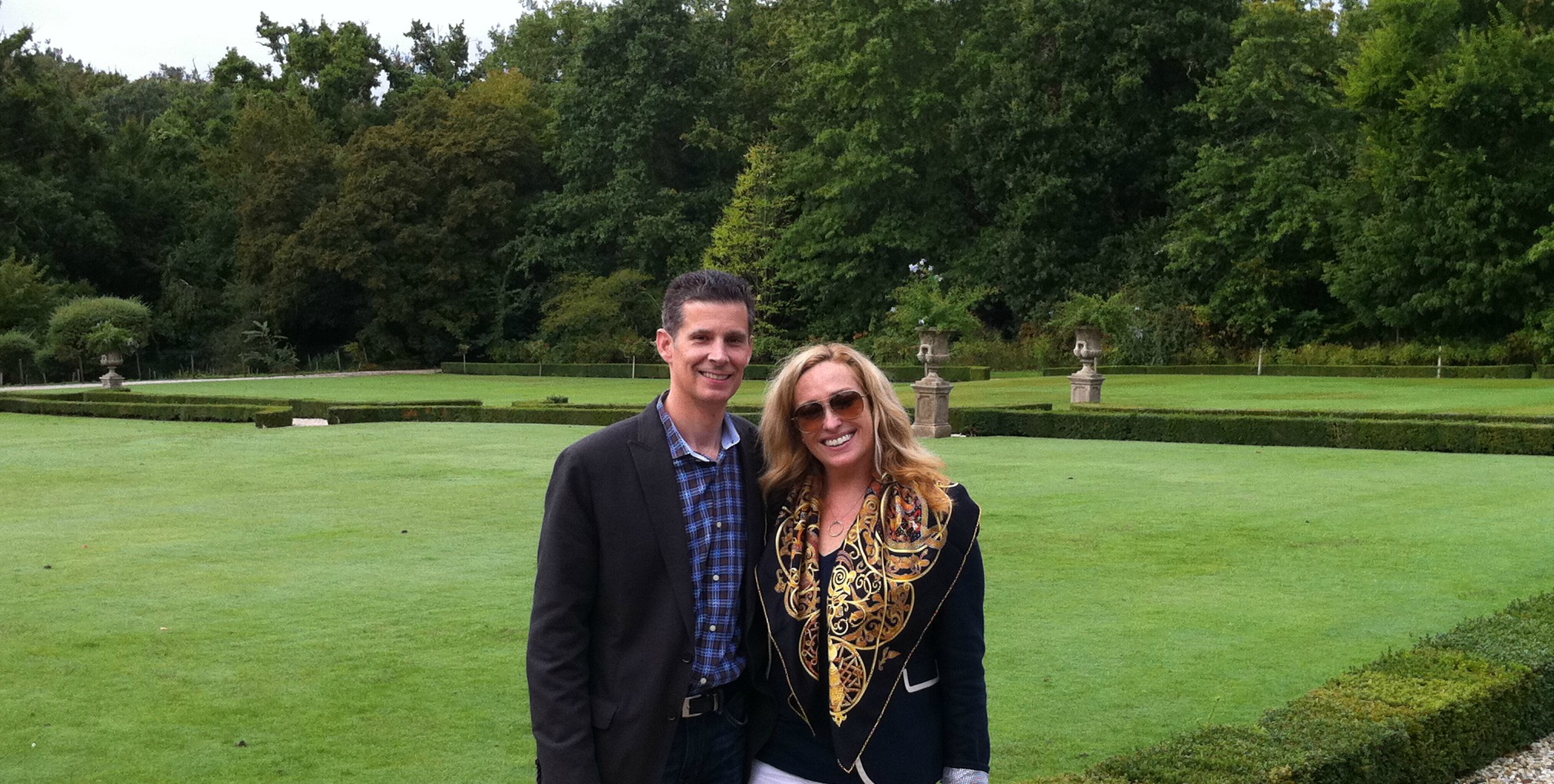
Christina and Bob Watt at Chateau Lascombes.

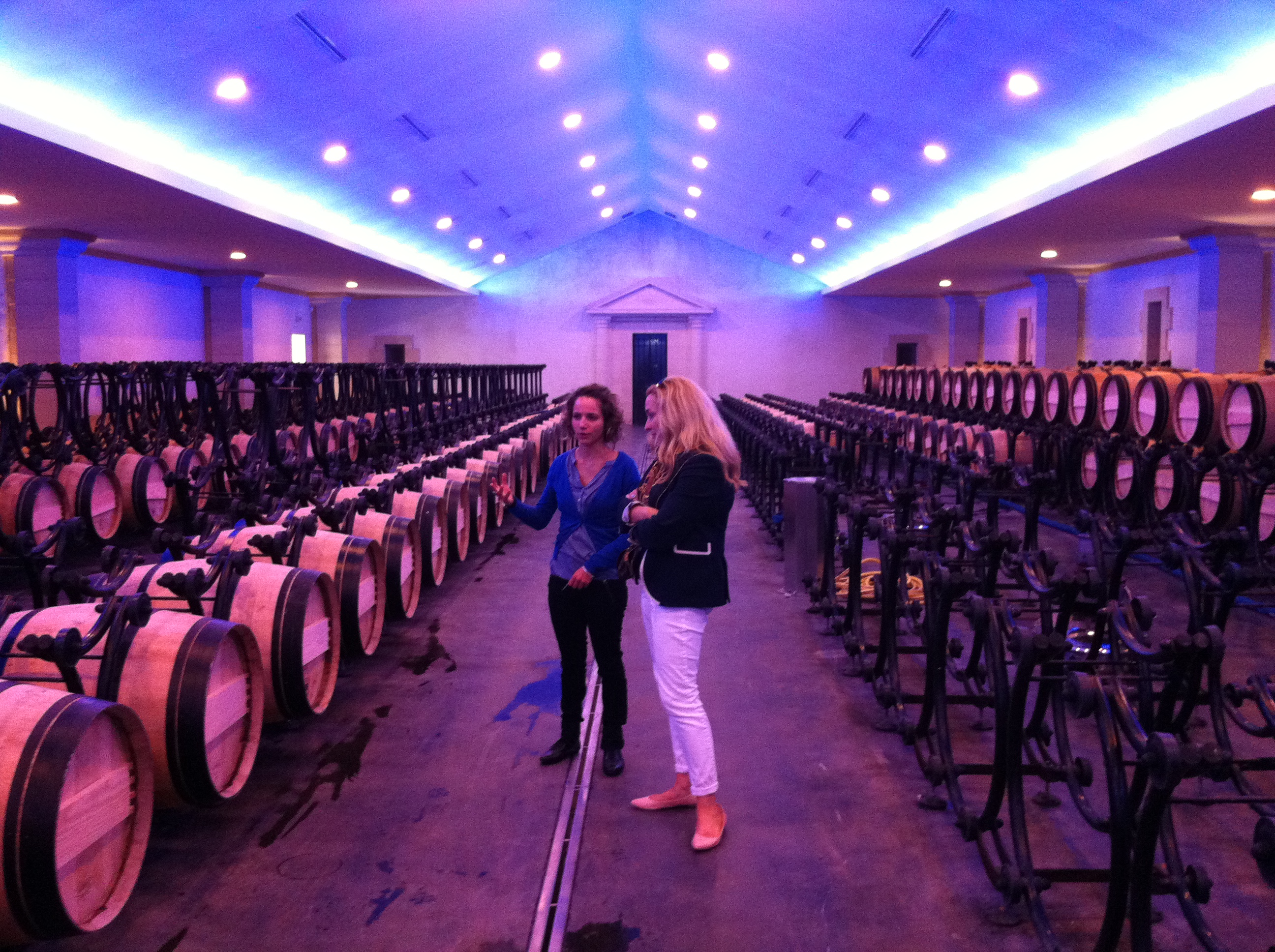
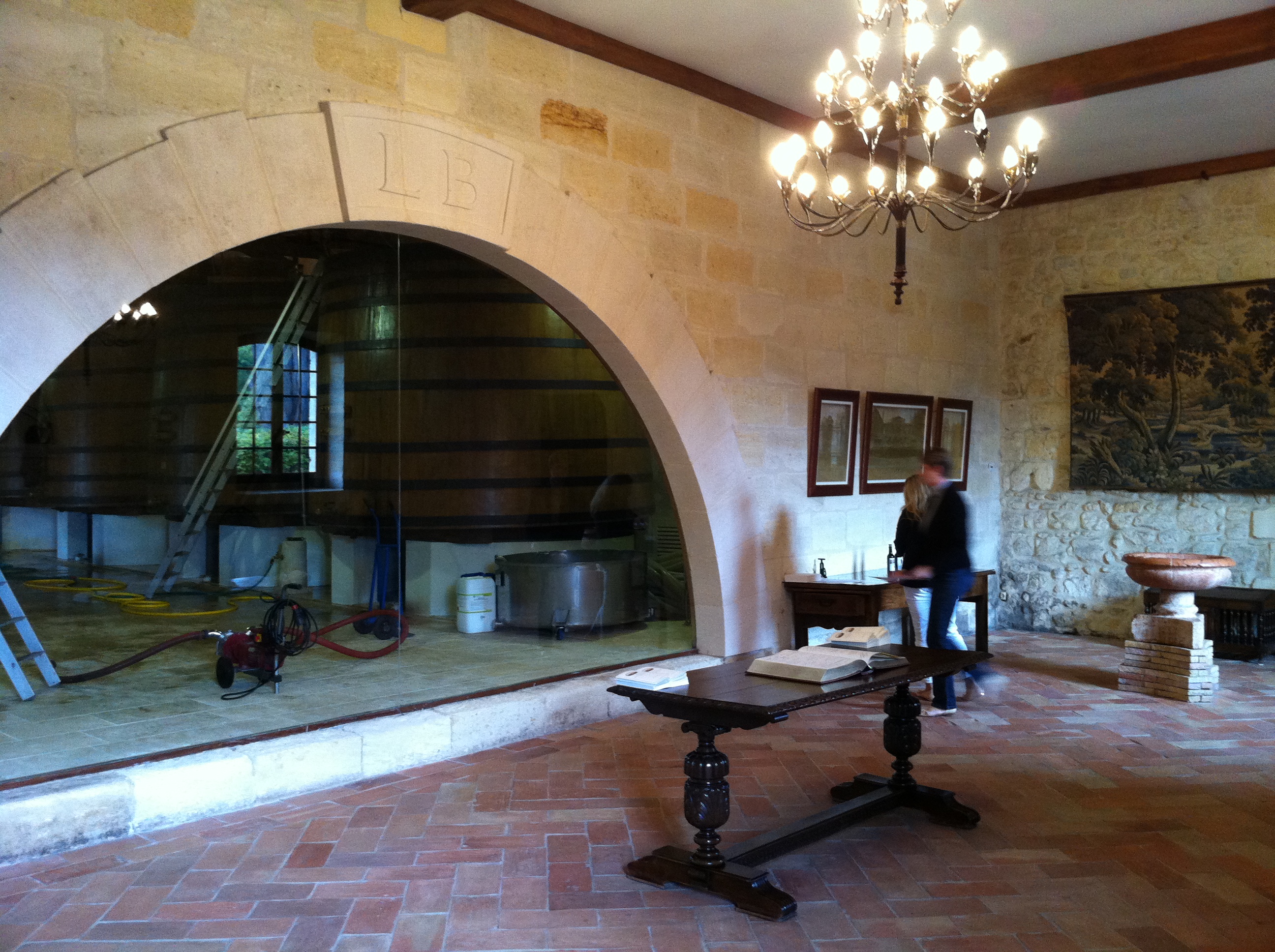
As explained by our tour guide, Benedicte, Chateau Lascombes is mixing both traditional and modern techniques in their winemaking, using large wooden vats as well as stainless steel, the use of dry ice in the fermentation process and gravity fed blending.  The Chateau uses a very modern looking Oxoline barrel racking system, where the barrels can be rotated in place.  The long Chai (barrel room) is very modern looking with its space age blue lighting.

Christina and Benedicte, our tour guide, in the Chai room with it's distinctive blue lights.
Christina and Benedicte, our tour guide, in the Chai room with it’s distinctive blue lights.

The wines that we tasted at Chateau Lascombes were the second label wine Chevalier de Lascombes from the 2007 vintage and grand vin 2002 Chateau Lascombes.

2007 Chevalier de Lascombes – Nice simple red fruit, very approachable, with good acid and a slight bit of tannin on the medium length finish.

2002 Chateau Lascombes – Darker, ripe black fruit with more complexity, good acidity and some tannin kicking in on the medium-long dark fruit filled finish.  This is a nice wine for the vintage, which was highly variable depending on the region and Chateau.

Chateau Lascombes is what I would classify as a more modern producer (in Bordeaux terms) for the region.  The wines tend to be a little more ripe compared to some in Bordeaux, but are not quite as ripe as what you get from California or Washington.  The wines of Chateau Lascombes are a little more approachable in a shorter time period than some of the other more traditionally-styled Bordeaux wines.

Our tour guide was very charming, and we learned that she had recently completed her degree in wine tourism.  Quite a few of our guides in Bordeaux had studied wine tourism and you could see from talking with them that they were very excited to bring more tourism to the Bordeaux region in general.  What surprised us was the actual lack of tourists in the Bordeaux region during crush time, as compared to say, Napa Valley in California which would be crawling with tourists during harvest.

Ironically, wine tourism in Bordeaux reminds me of wine tourism in the up and coming Walla Walla, Washington region at home. From what we could see, tourism is still just very young in Bordeaux.  Some Chateaux told us that they had actually only opened their doors to the public just two years prior, and most said that they began to be open to more than just the press and trade between five to eight years ago.   Though Bordeaux’s tourism business is still in the building stages, they seem committed to throwing the doors wide open, and we certainly experienced a very warm welcome.

Day Two, First Stop: Chateau Leoville Barton

Chateau Leoville Barton is one of the Chateaux that really got me interested in Bordeaux wines more than 20 years ago. This was a time when I was drinking wines mainly from California, Washington and Australia. The Bordeaux wines were different than the new world wines – they were not so much about being bigger, stronger and in your face, as much as being more about refinement, complexity, minerality and in some cases, being truly delicate. I fell in love with the Bordeaux wines starting from the mid and late eighties and have been drinking them ever since.

In the tasting room - you can see the wooden vat room through the windows.  Regretfully, we did not get a photo of their beautiful vat room.
In the tasting room – you can see the wooden vat room through the windows. Regretfully, we did not get a photo of their beautiful vat room.

Leoville Barton is a rarity in Bordeaux – it’s one of only two large Chateau that I know of (other than Ch. Lynch Bages), in which the family that owns the Chtateau actually lives in the Chateau. We have seen Anthony Barton the last several years in Seattle when he has come for the annual Bordeaux Fete (notes for these dinners are posted earlier in the blog). Anthony Barton is always the perfect gentleman and a great ambassador for Bordeaux, they also make some really good wines as well. Unfortunately, we were not able see Anthony on this trip and we hope he is doing well.

Christina and Bob Watt with Anthony Barton at the 2013 Fete du Bordeaux in Seattle at the Columbia Tower Club.

Chateau Leoville Barton, is a very traditionally run winery in both technique and methodology. The Chateau uses large 200,000 liter wooden vats, unlike the modern stainless steel vats that you see at a lot of the other Chateaux in Bordeaux. The wines that we tasted at the Chateaux were from the 2012 vintage, Ch. Langoa Barton and Ch. Leoville Barton. Langoa Barton is not the “second wine” of Leoville Barton, but is actually a totally separate wine produced by the Chateau from different vineyard plots.

The 2012 in barrels.
The barrel room.

2012 Chateau Langoa Barton (barrel sample) – Subtle red fruit on the nose and ruby red color. Medium bodied, good acid and slightly tart red pie cherry fruit coming through in the mouth, with the slightly dry coarse tannins kicking in on the medium-short finish.

2012 Chateau Leoville Barton (barrel sample) – Darker fruit on the nose and in color than the Langoa Barton. In the mouth, black berries combined with red pie cherries and more complexity. The wine is medium-full bodied, with very good acid and strong slightly dry tannins kicking in on the medium-long finish.

Both of these wines definitely show the characteristics and challenges of the 2012 vintage. I think the wines will show better given several years in the bottle, to help the tannins integrate and come into balance. I have tasted many vintages of both Leoville Barton and Langoa Barton and I can tell you that in general, the Langoa Barton wines will be ready to drink sooner than the bigger brother Leoville Barton. The wines of Leoville Barton will age very gracefully and for a long time. I have bottles of Leoville Barton in the cellar going back to the 1970 vintage. If you want to try a more recent vintage of Leoville Barton that is drinking well, look for the 2001 or 2004 vintages.

As the family lives on the property, we didn’t venture over to take pictures of the Chateau. However, our guide did show us the beautiful gardens, complete with wandering swans.

Christina and Bob in the gardens of Chateau Leoville Barton.
The gardens.
The gardens.
Quite a few chateaux had orangaries - we loved seeing the orange and lemon trees.
We were surprised to see that quite a few Chateaux had orangeries to store the trees in winter – we loved seeing the orange and lemon trees.

Next up Chateau Lascombes…

Day One, the Final Stop: Chateau Pontet Canet

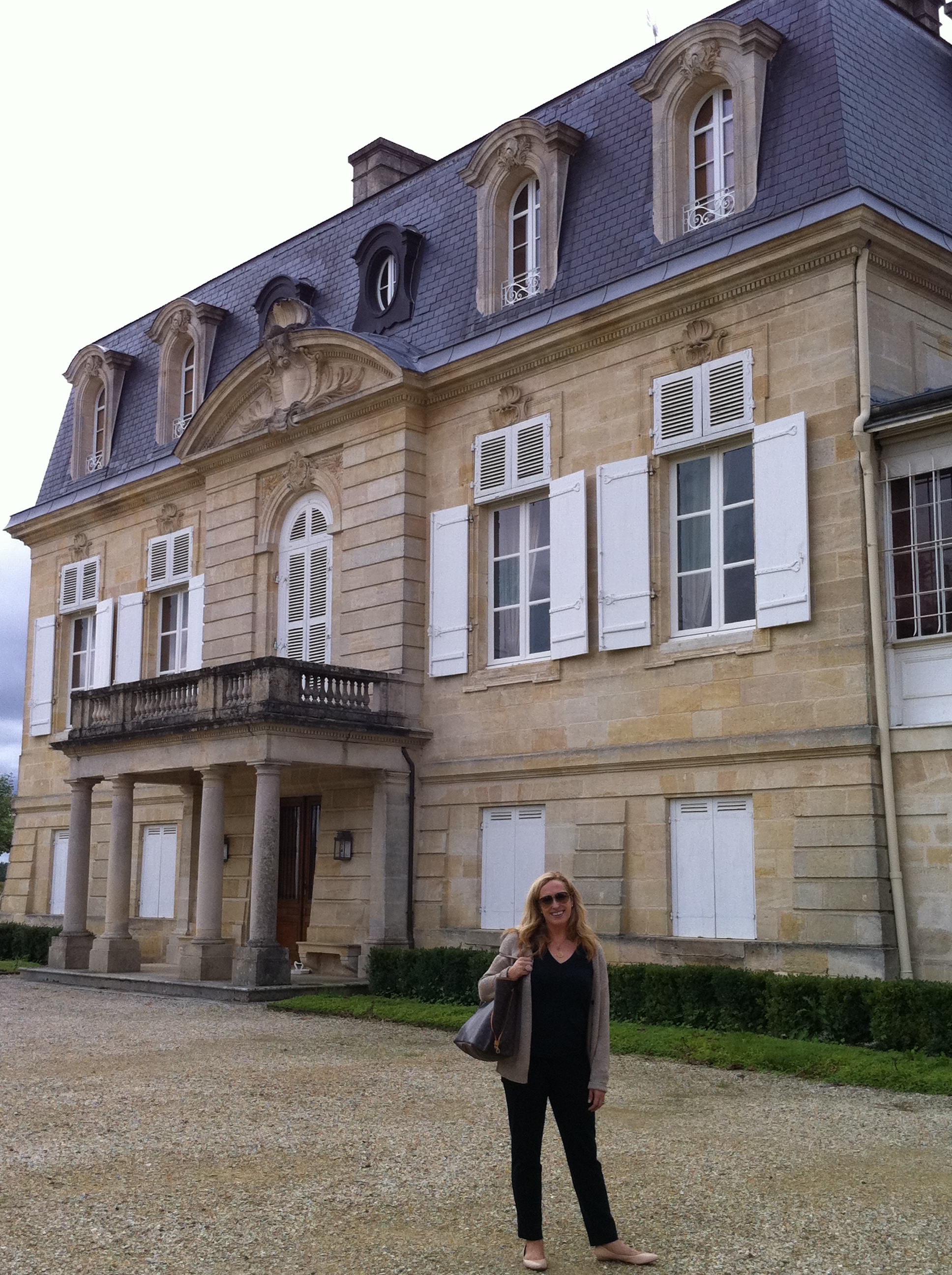
Chateau Pontet Canet is the only certified biodynamic winery of the classified Bordeaux estates in the Medoc and is located right next to Chateau Mouton Rothschild in Pauillac.  This was another estate that many people talked about during our trip due to the incredible amount of strict work being done to be certified biodynamic.  The quality of the wines being produced at Pontet Canet has increased dramatically starting with the 2000 vintage.  This is a direct result of all the hard work that is being done in the vineyards and the improvements throughout the whole winemaking process.

The main estate.
The main estate.
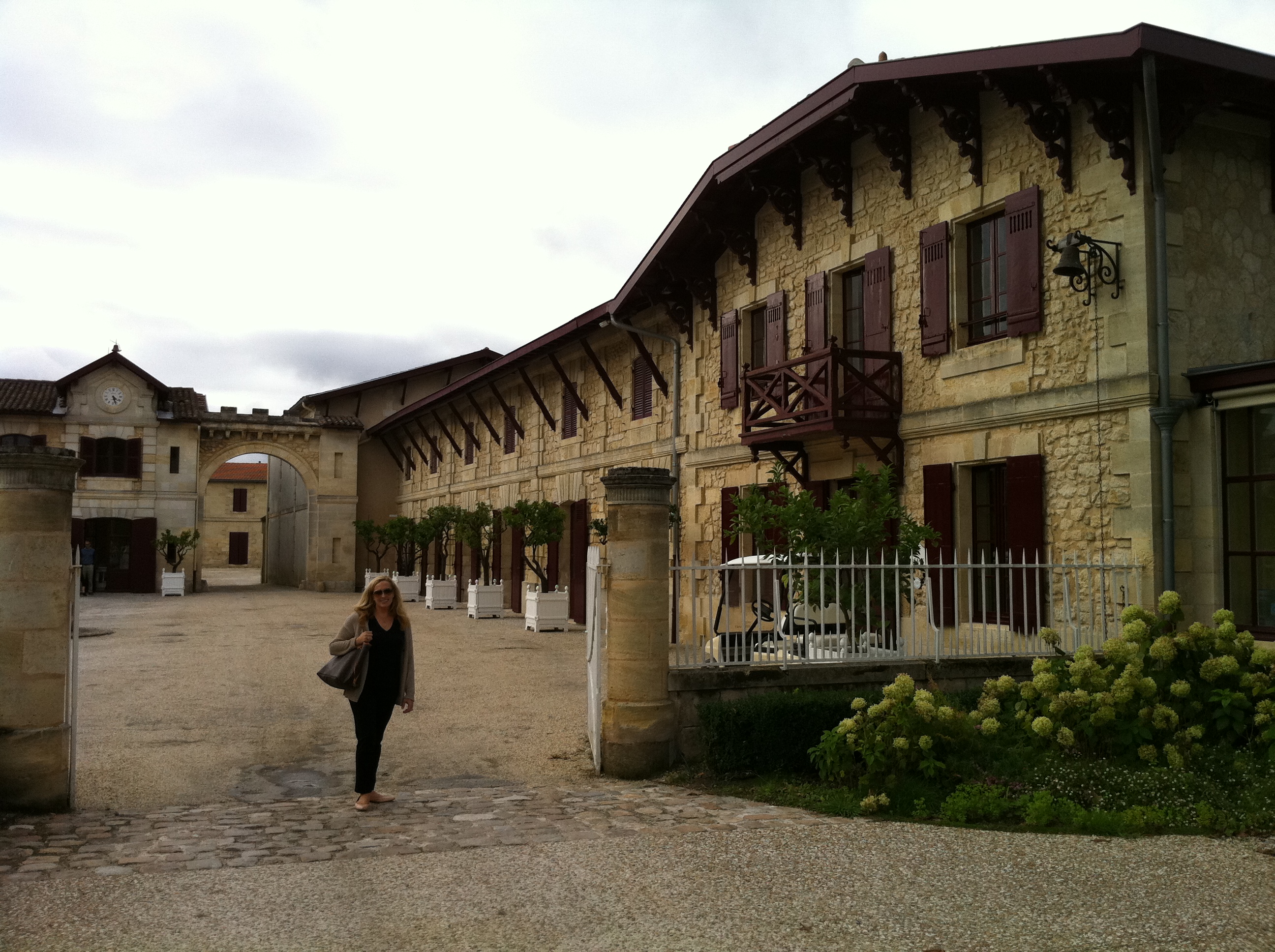
Another great view.
Another great view.
The newer buildings of the estate.

Pontet Canet is producing wines that often compete directly with the First Growth Chateaux, like it’s neighbor Chateau Mouton Rothschild, but their wines sell for a fraction of the price.  In my opinion, Chateau Pontet Canet has been a shining star in Pauillac over the last decade.

The vineyards.
The vineyards.

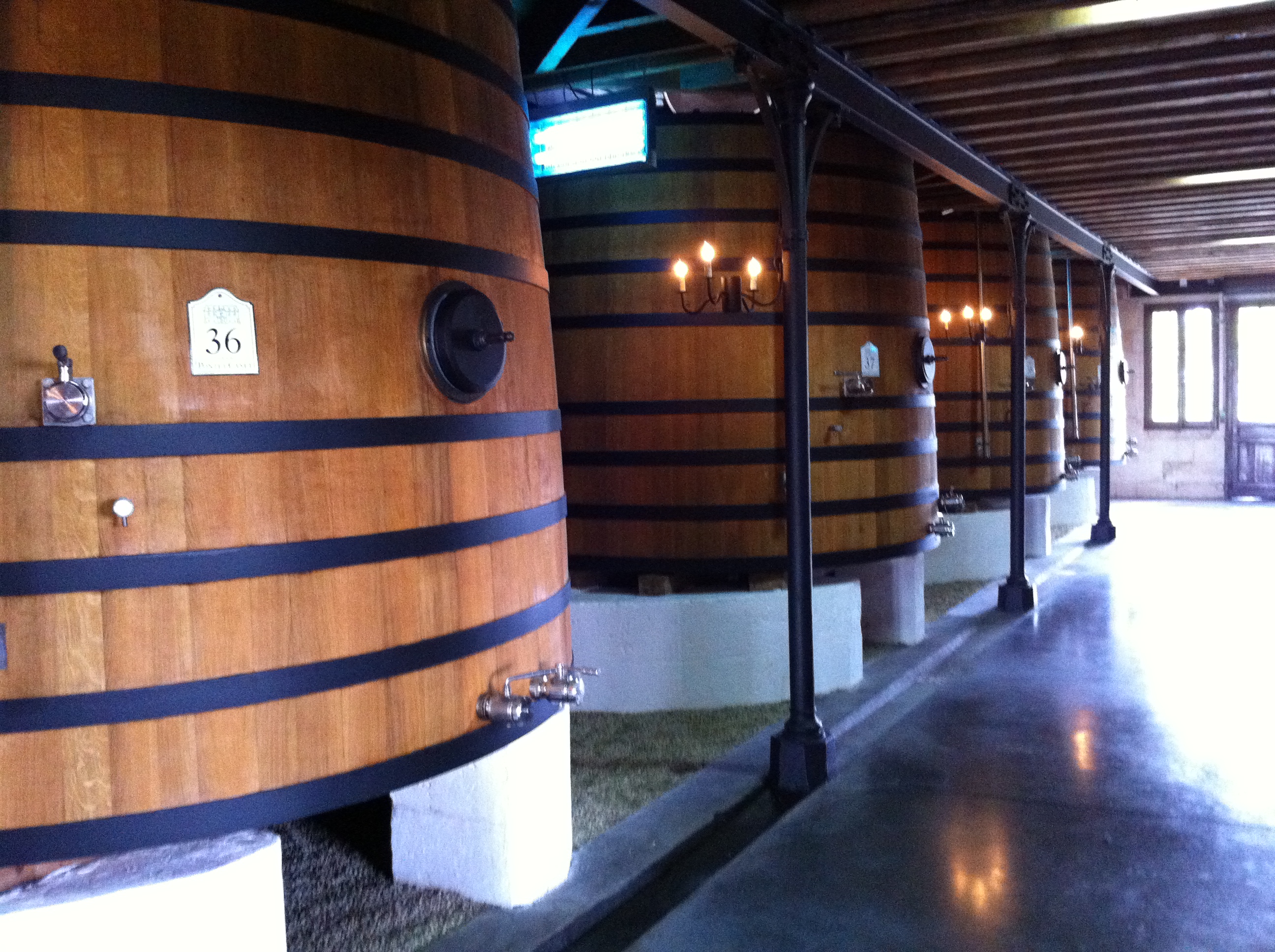
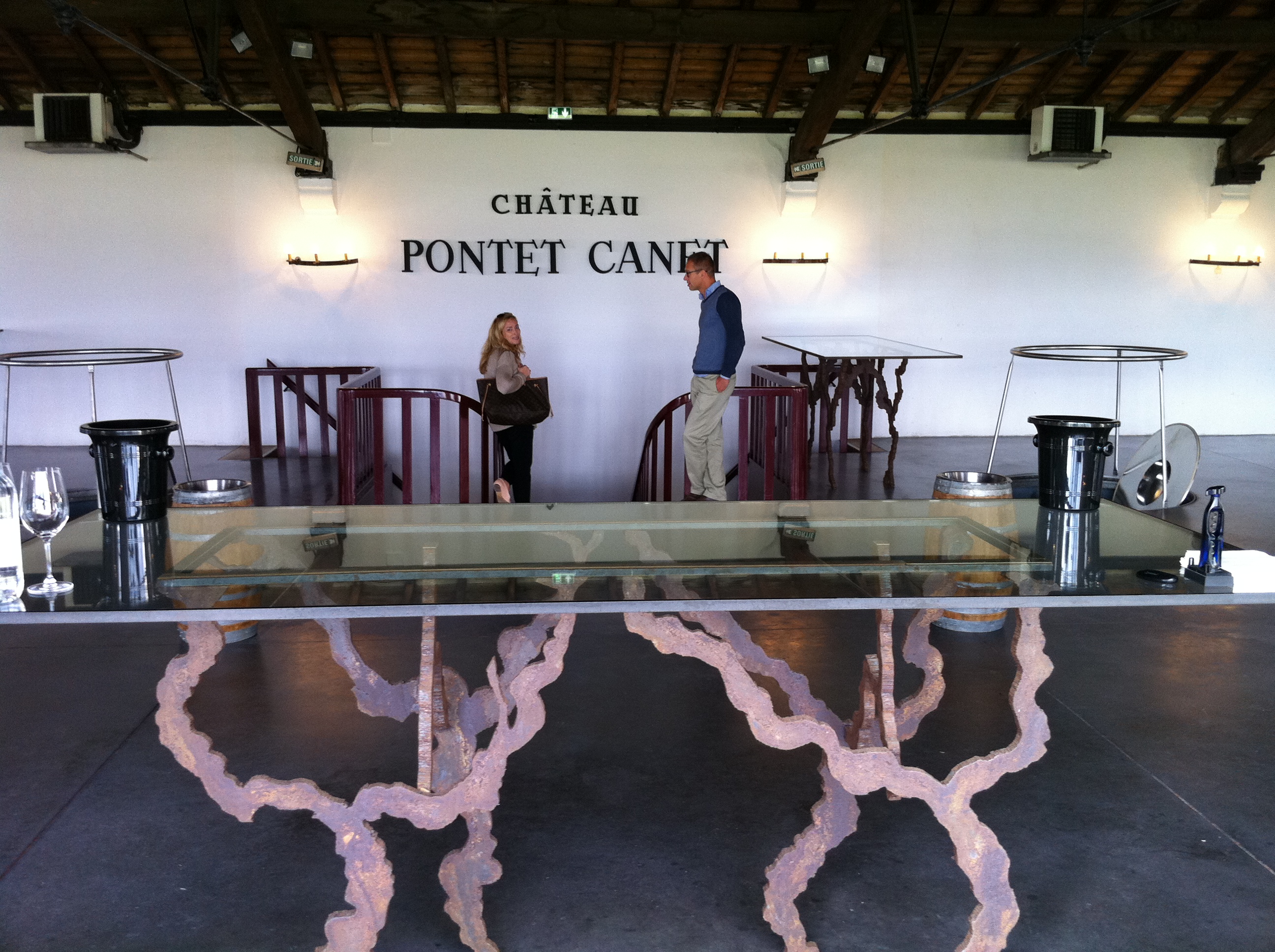
Our tour guide, Daniel, did a great job and was very knowledgeable, explaining Pontet Canet’s philosophies of innovation and experimentation in winemaking.  The estate uses large wooden vats for the fermentation process and then aging in French oak barrels.

The wooden vat room felt very rustic.
The barrel room.
The barrel room.

Starting with the 2012 vintage, Pontet Canet has started to use clay amphoras for the aging of their wine, which look like upside down elongated eggs with the pointed ends at the bottom.  Chateau Pontet Canet’s owner, Alfred Tesseron, wanted the amphoras to be as neutral as possible to the wine to bring out greater fruit expression, so he had the clay from which the amphoras were made excavated directly from the estate’s property.  Therefore, the wine is aging in the exact same clay that the estate vines are planted in.  The reason for the amphora shape (upside down egg) was to make it so the lees would settle down to the bottom in the pointed end and have less wine volume in contact with the lees.

The amphoras made from the same clay the vines are grown in.
The amphoras are made from the same clay the vines are grown in.

We tasted a 2007 – here are my notes:

2007 Chateau Pontet Canet – Floral nose with red/black fruit.  Semi-sweet ripe black fruit with red pie cherries.  There is a good dose of acid, a little minerality and some wood, with slightly dry tannins.  Primary slightly monolithic fruit finish of medium length at present, with the tannins kicking in again on the final note.  This is a nice wine that will get better with more time in the bottle.

The estate was very picturesque.  Wishing this photo turned out a little better.
The estate was beautiful- too bad we didn’t have quite the right lighting.  But you get the picture!
Christina chatting with Daniel, the tour guide.

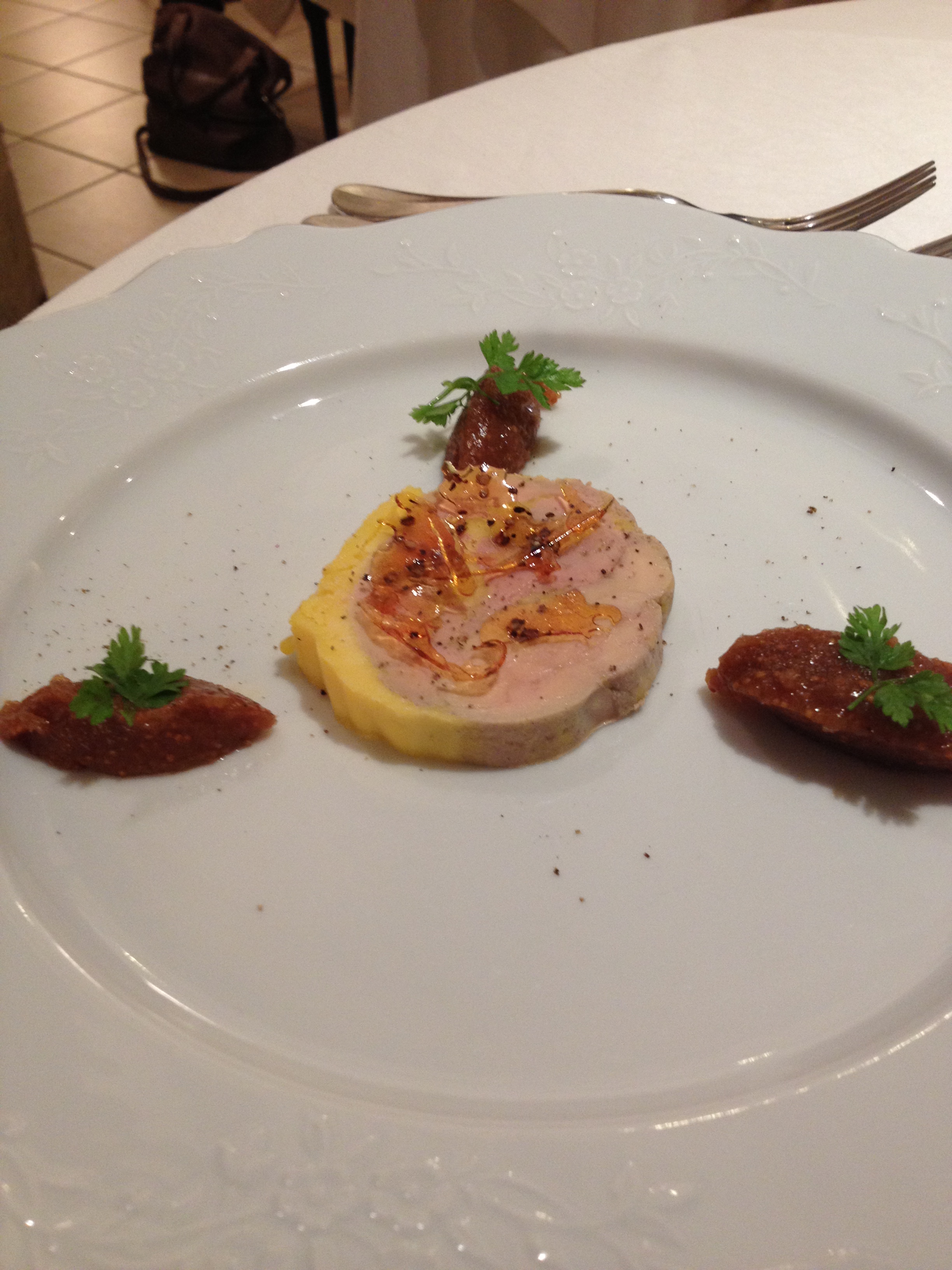
In the interest of not dragging this first (!) day out any longer – here’s a quick photo or two from our dinner that night at a restaurant called Le Saint- Julien.  We loved the ambiance.  Can you have too much foie gras in one day?  Our conclusion – no way!

The restaurant St. Julien.
The wonderful restaurant Le Saint-Julien.
Another foie preparation.
Another foie preparation – this time a terrine typical of the region.

Stay tuned for Day Two!

Day One, Part Deux: Chateau Cos d’Estournel

I was excited about our visit to Chateau Cos d’Estournel in Saint Estephe, because I had heard and read about the new ultra-modern full gravity wine making facility they had constructed several years earlier.  I have also been a fan of their wines since the 1989 vintage.

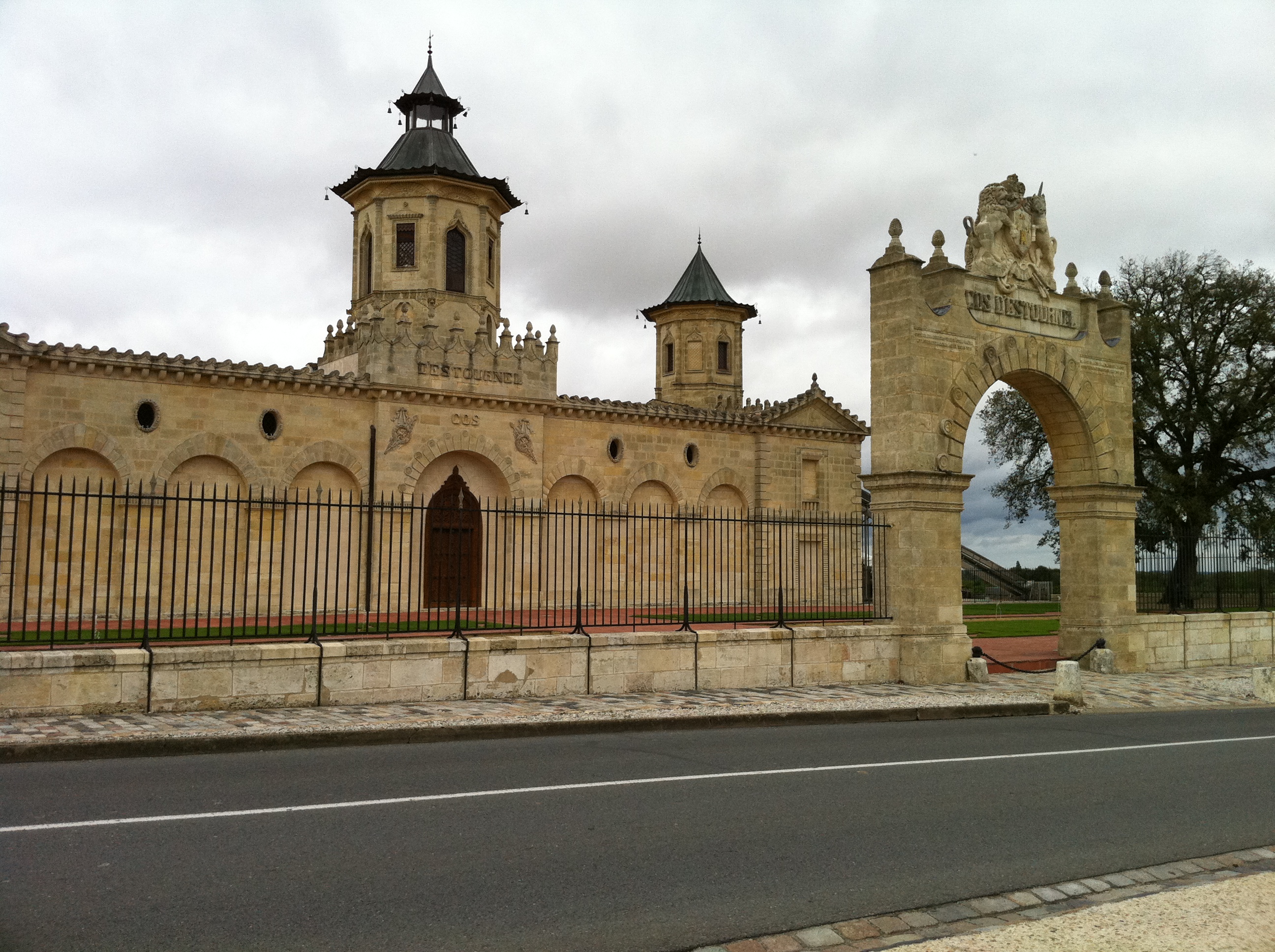
The exterior of Cos d'Estournel.
The exterior of Cos d’Estournel.
Bordeaux 2013 2524
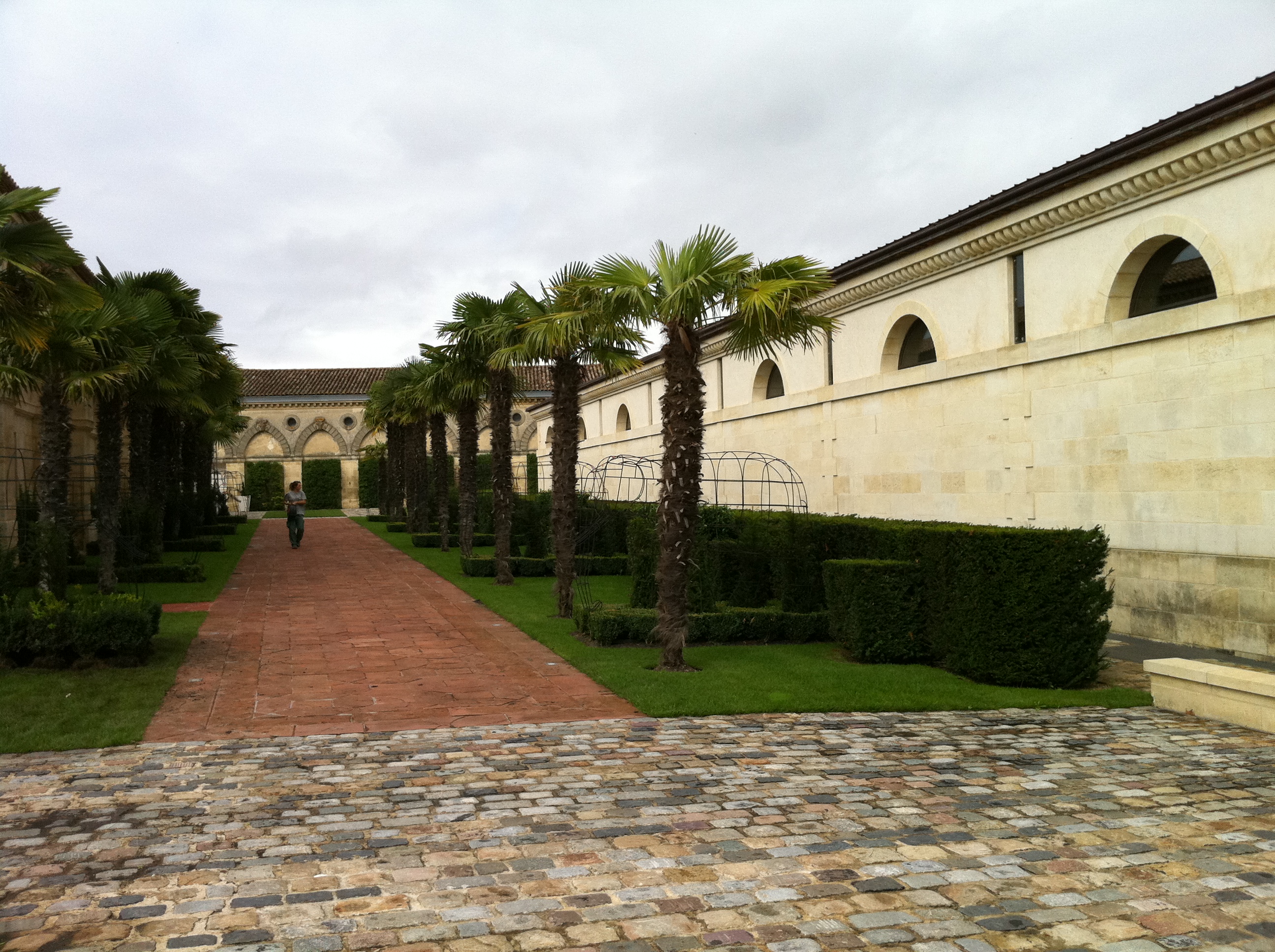
Exterior garden – the grounds were beautiful and unusual for the area.
A close up of one of the doors.
One of many ornate doors.

The Chateau is very distinctive with three limestone pagodas on top of the main building.  The interior of the building is a dramatic combination of ultra modern (glass and steel) and old world colonial India (stone and carved wood), but it all comes together very well.

The interior of Cos d'Estournel.
The interior of Cos d’Estournel.
This dramatic archway is actually on the interior as well.

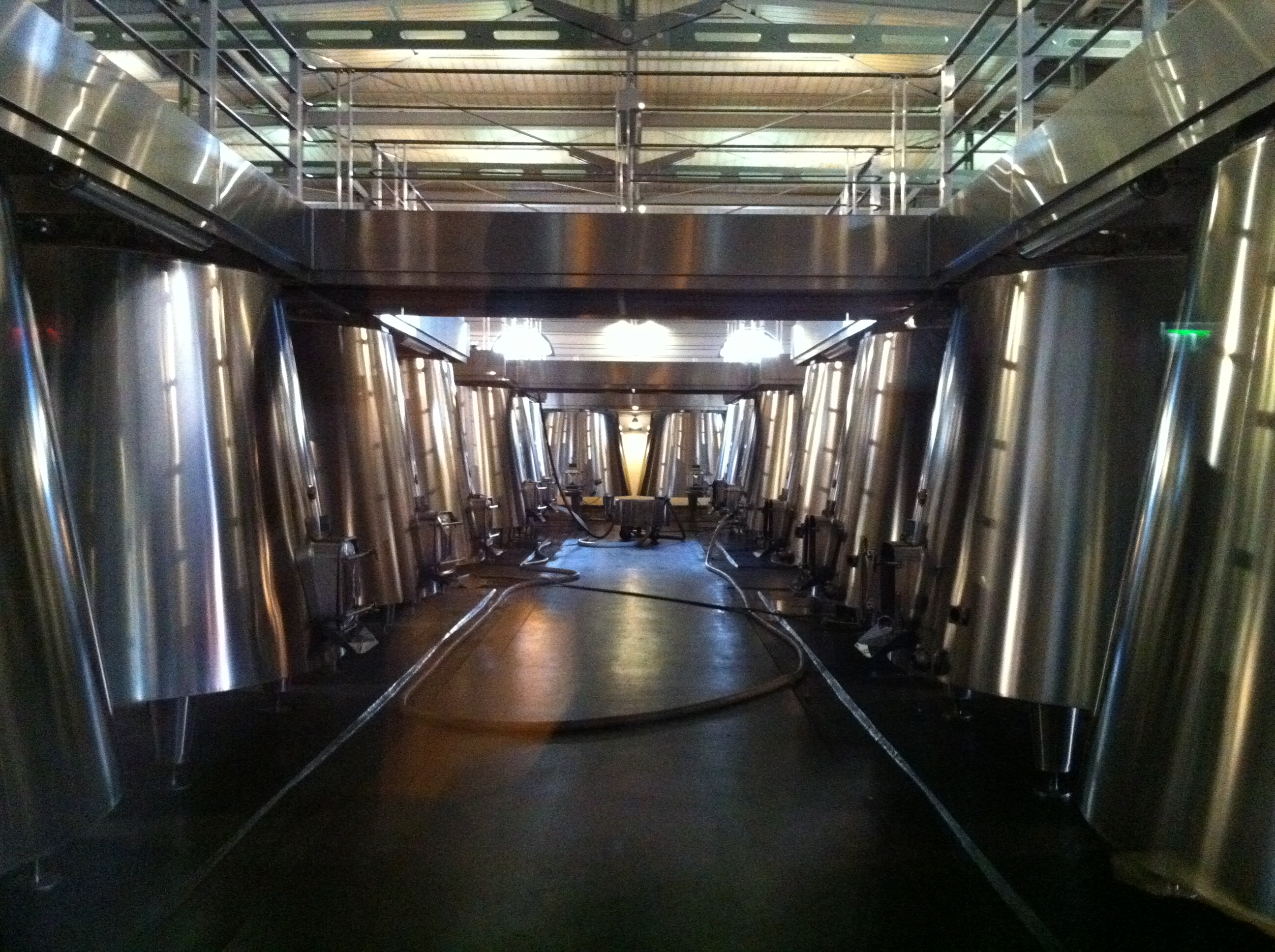
Our host, Marie, was very nice and knew a lot about the Bordeaux wine industry.  Cos d’Estournel now has a space-age looking modern vat room, with 72 conical stainless steel vats to ferment every vineyard plot separately.  They also have giant elevators to lift large tanks of wine, so they can use gravity to transfer wine throughout the facility instead of using pumps.

The vats were an impressive sight.

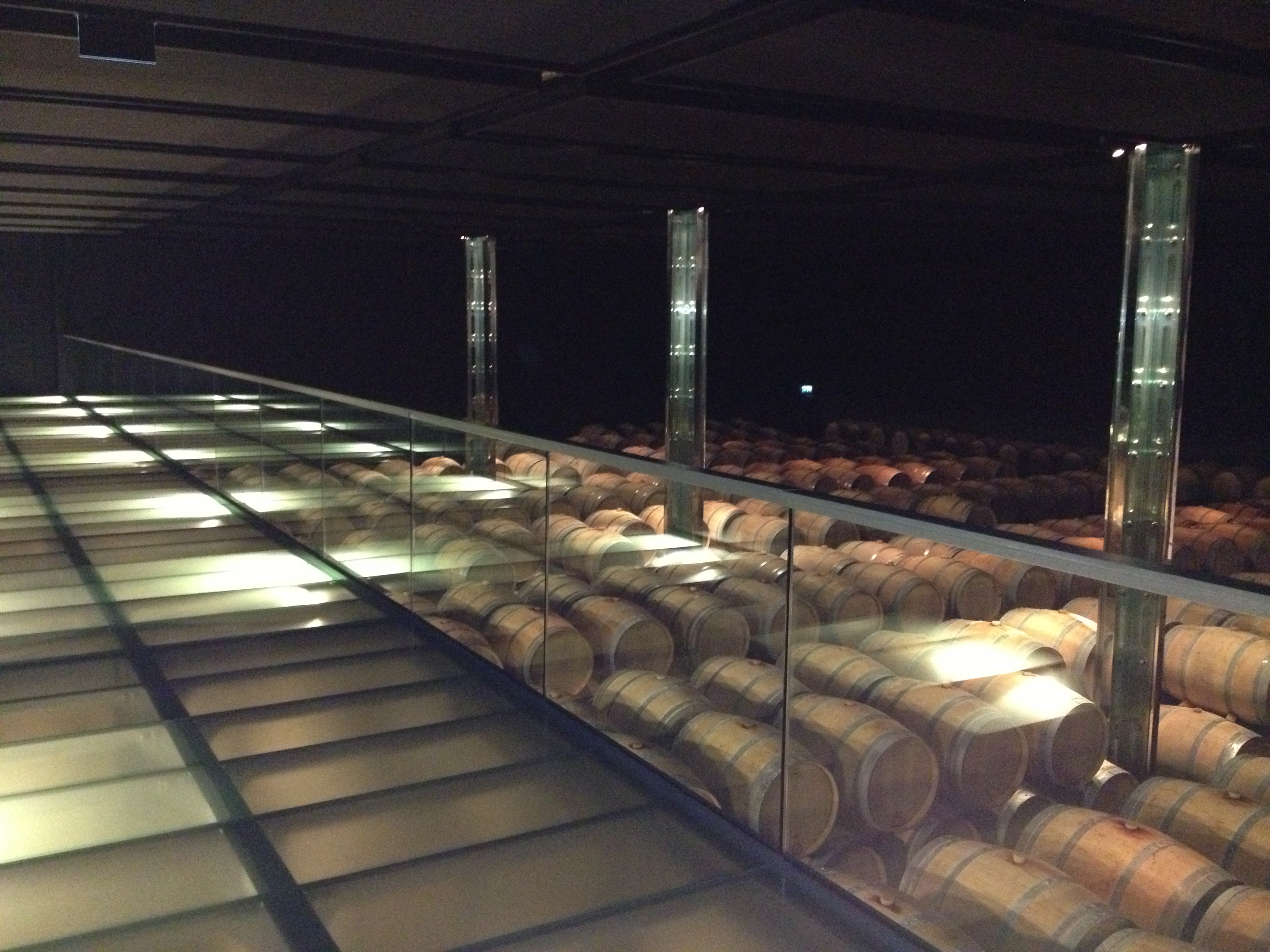
Coming into the barrel room, you walk onto an ultra-modern glass skybridge overlooking the barrels, with glass columns.  It makes quite an impression, and is talked about quite a lot by other estates throughout the region.  In fact, Cos d’Estournel was often mentioned as an estate we simply “had” to visit.  There were varying opinions about whether the winemaking technology was more about esthetics or truly necessary innovations for the craft.  However, in my opinion, no matter how modern the facilities look, there’s no question they still follow very traditional winemaking practices.

Bordeaux 2013 063
These pictures don’t do it justice – the lighting is very dramatic in the barrel room.
Bordeaux 2013 2511
Another barrel room view.

We were able to taste the wines from the 2008 vintage, the grand vin Cos d’Estournel and the second label Les Pagodes de Cos.

2008 Les Pagodes de Cos – Nice ripe red/black fruit with good sweetness and acidity, not nearly the complexity of the grand vin, but with some ripe tannins kicking in on the medium length fruit filled finish.

2008 Cos d’Estournel – Very dark spicy ripe black fruit with stony minerality, excellent acidity.  The wine is very tannic but the tannins are ripe, kicking in on the very long stony black fruit filled finish.  This is an excellent Cos d’Estournel in every way and built for the long haul.

Bordeaux 2013 2556
On the road again…


How do you like the wines of Cos d’Estournel and what is your favorite vintage?

Next up, Pontet Canet…oh yes, it was a long, but fascinating first day!


Chateau Phelan Segur Tasting

One of the big surprises of the trip were the wines at Chateau Phelan Segur.

Phelan Segur is not a classified growth, because it was not part of the 1855 classification that ranked and ordered the better wine estates of the time.  Apparently, a lot has changed over the last 158 years.  Phelan Segur easily makes wine that will compete head to head with the better classified growths of Bordeaux.  The Chateau manager and winemaker at Phelan Segur is Fabrice Bacquey whose first complete vintage at Phelan Segur was in 1996.

We started the tasting off with Frabrice with a small vertical of Chateau Phelan Segur 2008, 2009 and 2010:

  • 2008 Chateau Phelan Segur – An absolutely beautiful nose of sweet dark fruit with a little spice.  The most approachable and open of the three vintages, with sweet red/black fruit, good acid, ripe tannins and a medium-long finish.
  • 2009 Chateau Phelan Segur – A little tighter than the 2008, but the fruit is darker and bigger.  There is a lot more glycerin and smooth mouth feel to this wine.  Lots of ripe blackberry fruit, good acid and lots of fine ripe tannins that kick in on the long finish.
  • 2010 Chateau Phelan Segur – Darkest wine of the three.  A little tight, but with air the very pure dark blackberry/red current fruit comes through.  This wine has really good acid that makes it very lively in the mouth.  The complex dark fruit mixed with spices, combined with a lot of sweet ripe tannins, gives this wine a wonderfully long finish.  This wine age gracefully and will last a very long time.  You could enjoy a bottle in 10 years as a young wine or lay it down for 20+ years without even trying.

After enjoying this tasting, we moved into the salon with Fabrice, where we had a beautiful Billecart Salmon Brut champagne “palate cleanser,” and a seared foie gras appetizer (my wife was delighted by this!).

We then had three wines paired with the lunch that we had made earlier in the morning with Chef Jimmy and Eduoard.

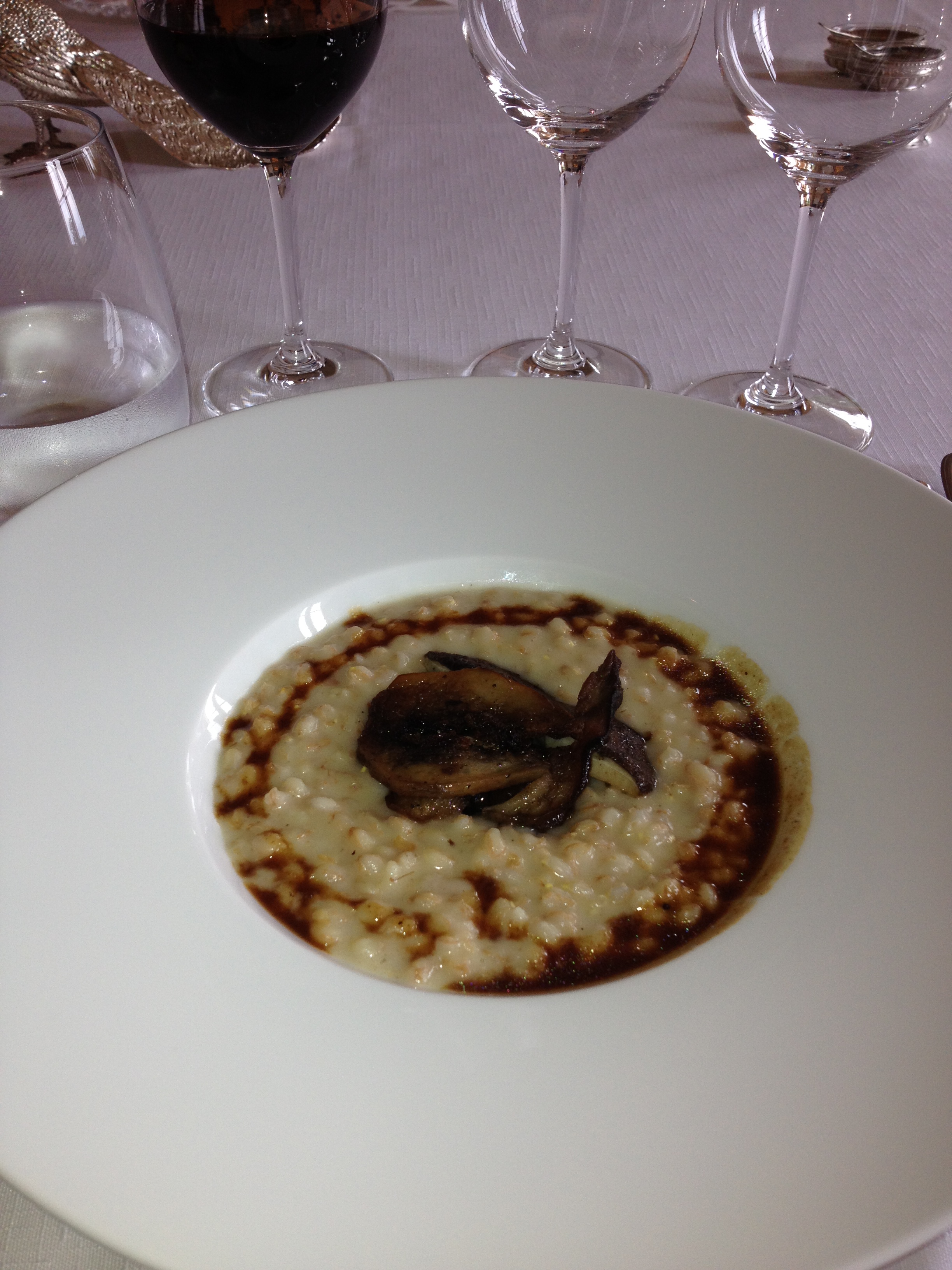
  • 2008 Frank Phelan paired with Risotto d’epaurtre du pays de Sault, aux chataignes et epes
Aromatic mushroom risotto.  We didn't help make this - it was a nice surprise!
Aromatic mushroom risotto. We didn’t help make this – it was a nice surprise!
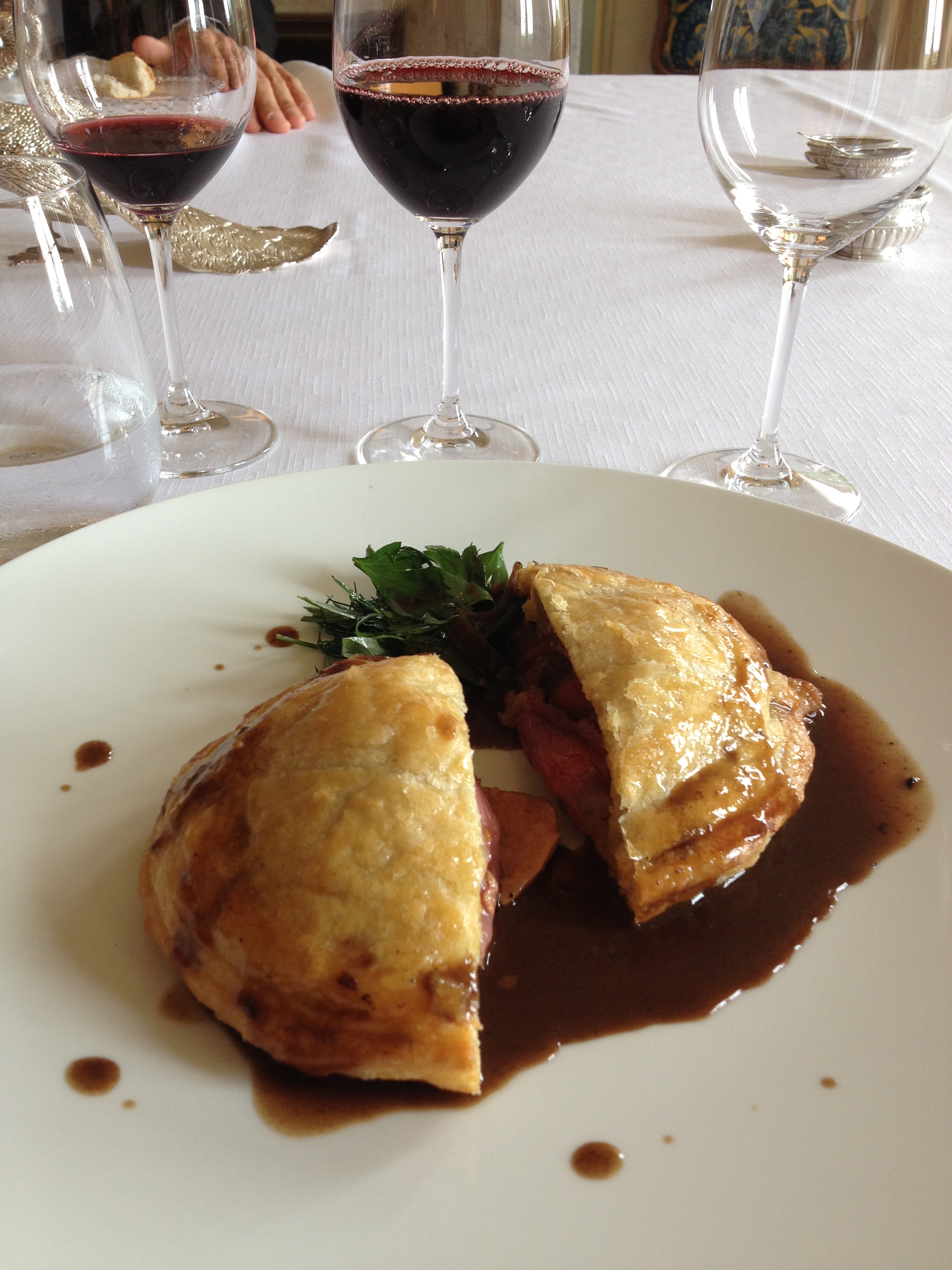
  • 2006 Phelan Segur paired with Tourte de tradition au canard et foie gras
I think I managed to clean my plate.  The crust was so flaky and fresh and the whole thing was so savory - and rich!
The “duck pie with foie gras” was amazing – I  think I managed to clean my plate. Christina claims she could feel her arteries hardening – but she wasn’t complaining!
  • 2004 Phelan Segur paired with the Quenelle de Chocolat Tuile a l’orange  (We were chagrined to realize that we dove right in and forgot to take pictures of this beautiful chocolate ganache!)

My tasting notes:

  • 2008 Frank Phelan – Red/black fruit, round in the mouth, very approachable with a good medium finish.  This is a nice second wine of Chateau Phelan Segur, but the Grand Vin Phelan Segur is more complex.
  • 2006 Chateau Phelan Segur – Dark red/black fruit, a little forest floor, medium acid, good mouth feel, with the sweet fruit coming through on the medium finish.  Still young, with better things to come in 5 years or so.
  • 2004 Chateau Phelan Segur – Sweet dark fruit mixed with dark chocolate, subtle spices and damp earth, with good acidity and sweet tannins on the medium-long finish.

Fabrice was a very gracious host, and we were having a great time comparing the wines back and forth and marveling at how well the food paired with the wines, when suddenly, he disappeared for a few seconds.  Before long, Eduoard appeared with a bottle of the 1996 Chateau Phelan Segur – the first vintage produced by Fabrice at the Chateau.  We were quite honored that he chose to share it with us, and the memory of that beautiful wine haunts us still.  (I have to figure out how to get my hands on some.)  Here are my notes:

  • 1996 Chateau Phelan Segur – Slight bricking at the rim, but still a very dark color.  An absolutely beautiful nose of dark fruit and spice cake.  Very smooth in the mouth, with a taste of dark blackberry pie, spices, forest floor, some mushroom, nice minerality, very good acidity and a lot of fine sweet tannins on the long fruit filled finish.  This is an absolutely beautiful wine, with still a long life ahead of it, but it can be enjoyed right now.
Bob and Fabrice at lunch.

Chateau Phelan Segur, under the direction of Fabrice, is making wine that will directly compete with the bigger classified growths of Bordeaux.  Amazingly, Chateau Phelan Segur is still one of the great values for the quality in all of Bordeaux and well worth a visit.

Our sincere thanks to the team at Phelan Segur for a wonderful and meticulously planned experience. We felt thoroughly spoiled as we left with our goodie bags of canneles.  This experience started our trip off so well, we began to wonder how it could possibly get any better – and we were only halfway through our day!

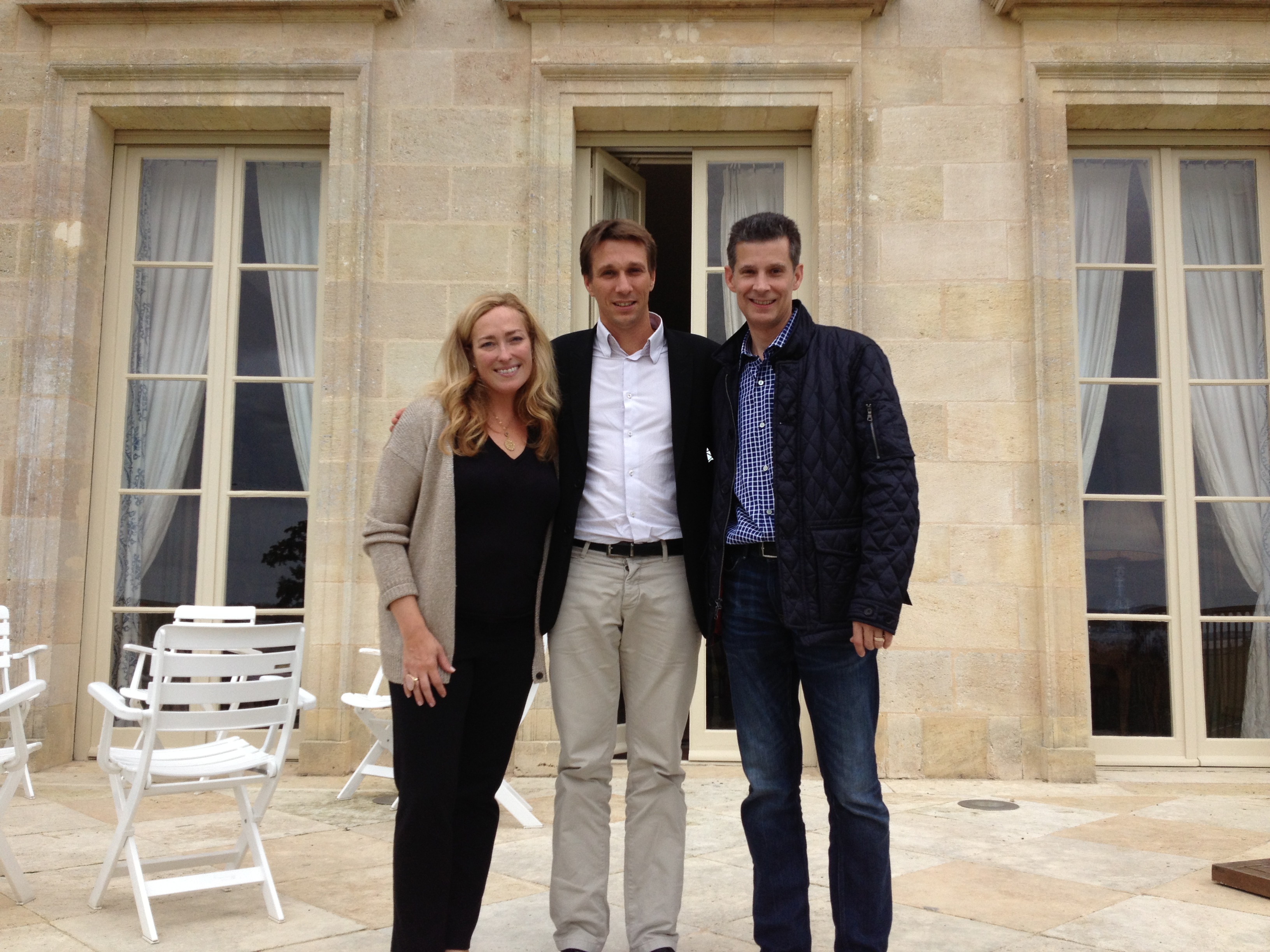
Bob and Christina with Phelan Segur winemaker Fabrice Bacquey.

Next up, Cos d’Estournel and Pontet-Canet…

Duck, Duck, Goose…Cooking Class at Phelan Segur

Authored by Christina Watt

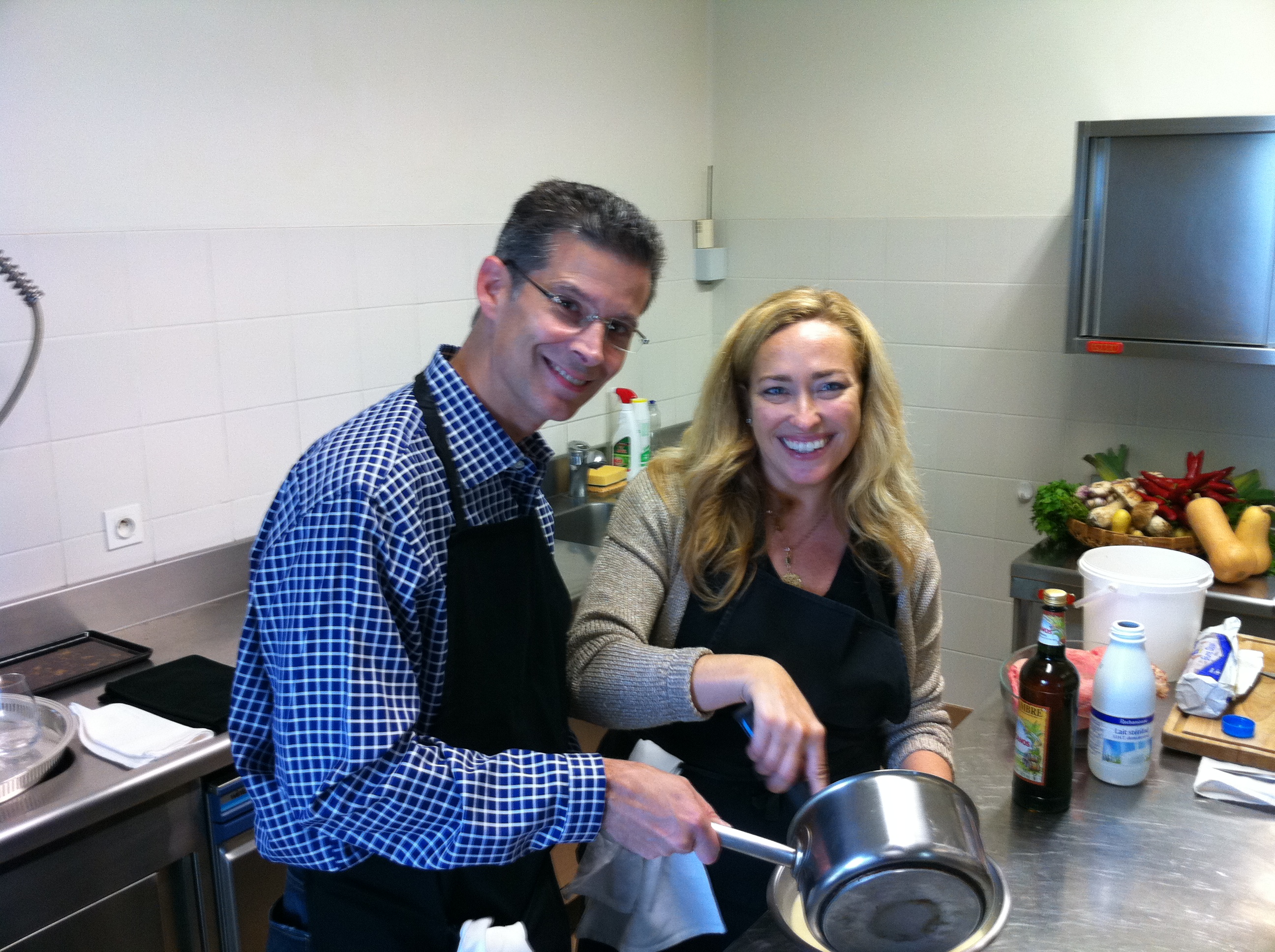
Our first morning we drove up to St. Estephe to kick off the tour at Phelan Segur with a cooking class.  We pulled up at the very impressive Chateau where we were greeted outside the door by the chef, Jimmy, carrying a basket of beautiful fresh produce.  Over the course of the next two plus hours, we were treated to lessons by Chef Jimmy and translations by Edouard – oh, how we wished we had brushed up more on our French!  But we all managed to work together to produce a beautiful meal.

The Phelan Segur Crest.

We started off by learning how to make the traditional French cannele – little carmelized cakes with a custard-like center – oh my.  They explained to us that what we had just learned to make was a very popular pastry that originated in Bordeaux – they were everywhere!  (See the kitchn for a great cannele recipe and a little history on this tasty treat.)

Getting started on the cannele.
Our first cannele.
Our first batch! We have to get some of those little molds at home…

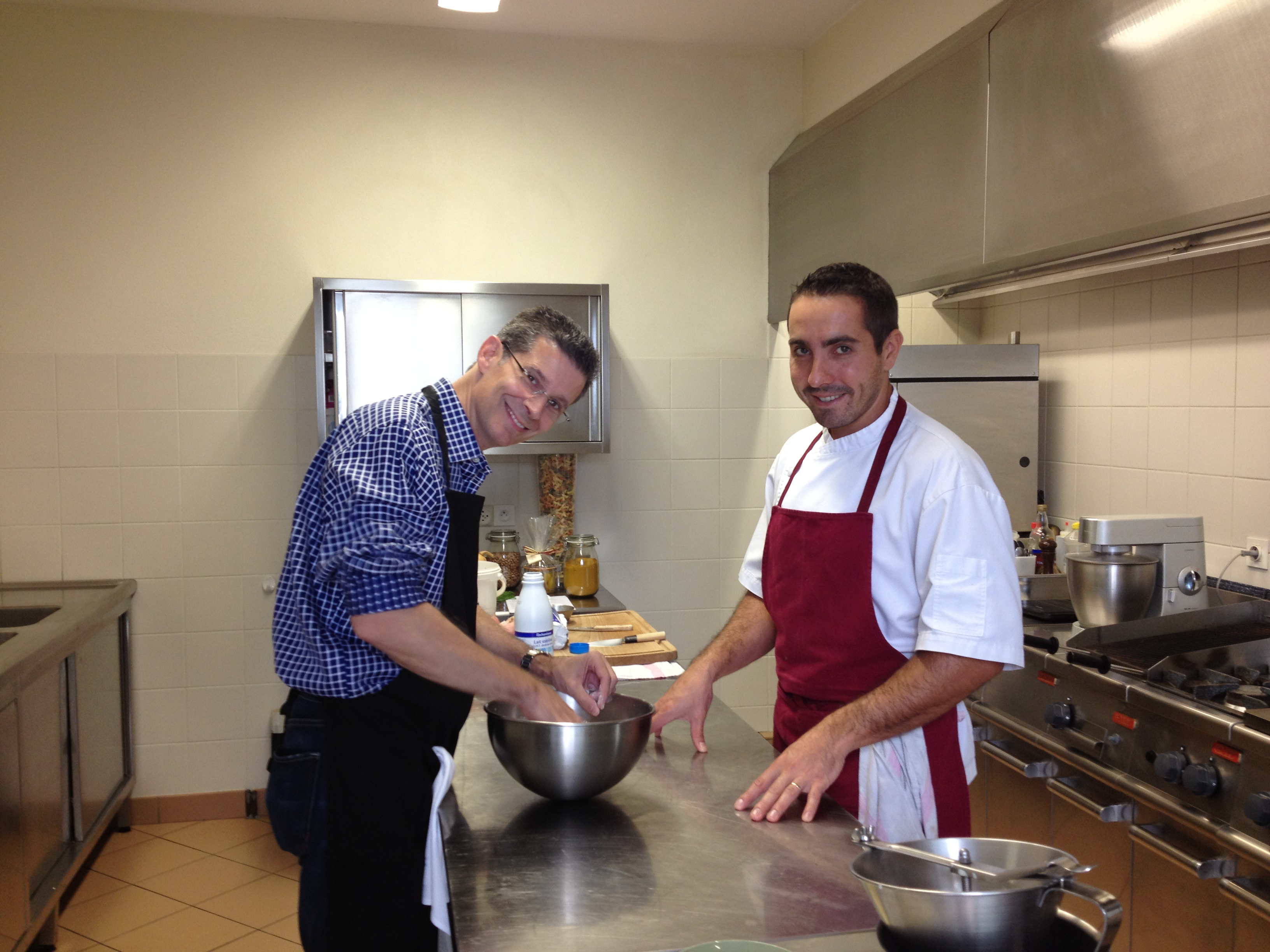
While the cannele were baking, we began working on our homemade pastry crust for our duck pie.  Turns out Bob has just the right precise and patient touch for making pastry dough.  Me?  Apparently I’m a little impatient, no surprise to those who know me well!

Bob and Jimmy working the pastry dough.
Bob and Chef Jimmy working the pastry dough.

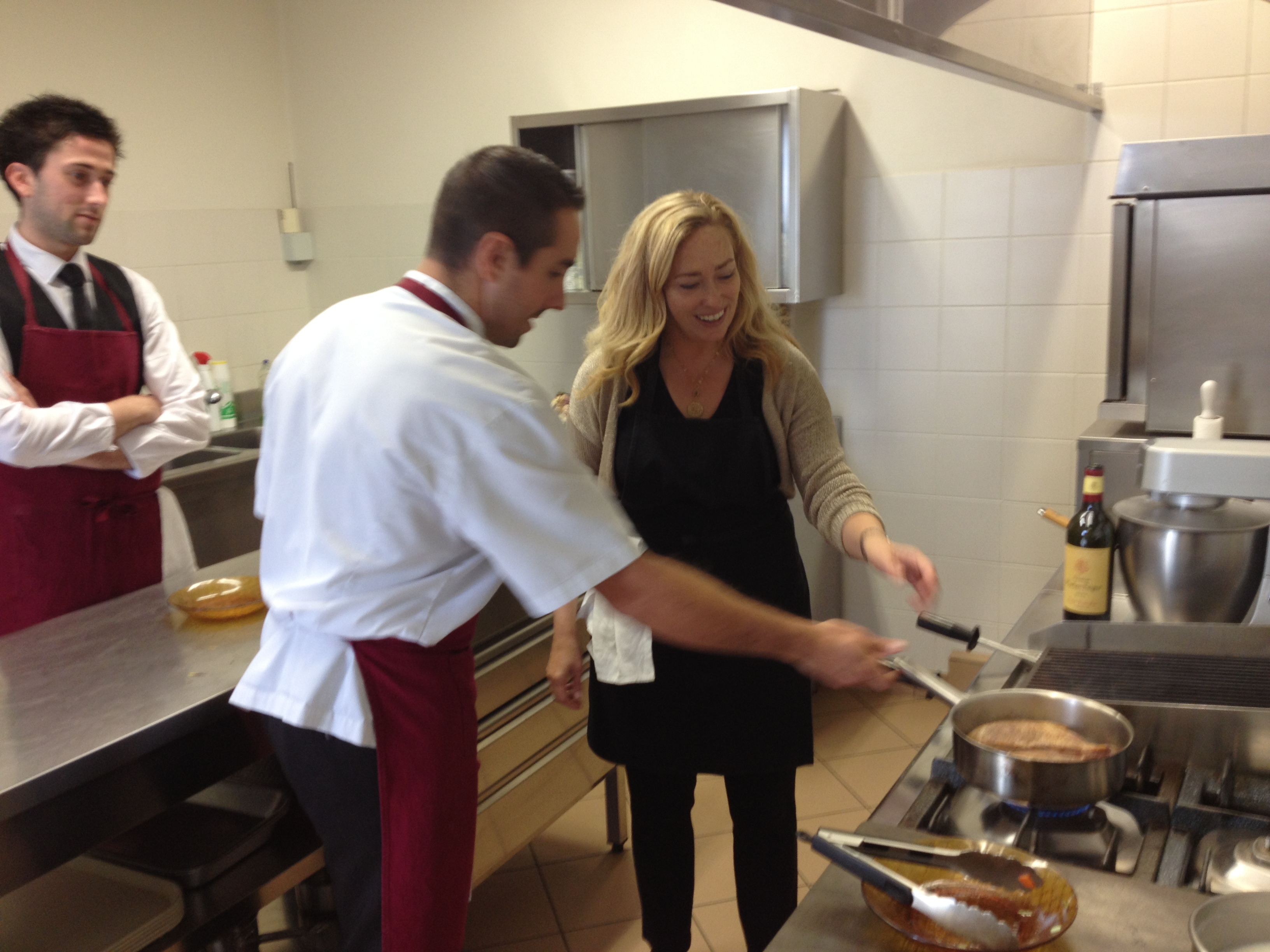
In between turns of the dough, we prepared the duck.  We seared the breasts with chopped vegetables and cooked the legs to get two different types of meat, and created a jus (sauce) using the rest of the duck remains.  Chef Jimmy added wine to the pan to create the jus, lighting it with the flame from the stove.  And then he looked at me to try it.  I was convinced I would wind up with my hair on fire, but we managed to produce the necessary flame without incident.  (Bob was ready for it though – he actually filmed this part in anticipation.  He knows me too well.)

My first time...
Too much information?  It was definitely a first for us!
Keeping my hair away from the flame!
Jus in the making.
A delicious jus in the making.

My eyes about popped out of my head when Chef Jimmy plunked down a big slab of foie gras – at 11:00 am in the morning, no less!  From the smiles on our faces, he ascertained (correctly) that the we very much enjoyed foie, so he told me to cut three big slabs of it.  Thinking he’d be searing it for some sort of appetizer, I happily complied.  A short while later, I found myself placing those large slabs into the middle of our duck pies – clearly, a heart attack in the making!

I've died and gone to foie heaven.
I’ve died and gone to foie heaven.

Finally, we concocted a beautiful chocolate ganache, which I again attempted to hurry along – who knew it took so much finesse to get that chocolate to such a glossy state?

Getting there...
Getting there…
Bob concentrates on the dessert embellishments.

After a very informative and fun couple of hours in the kitchen, we enjoyed a tour with Edouard and a tasting with winemaker Fabrice Bacquey while Chef Jimmy put the finishing touches on our meal.

The tasting room.
The tasting room.

Next up – the final meal and the fabulous wines!

Warm Memories of Bordeaux

It may be rainy season in Seattle now, but our heads are still full of warm memories from our recent trip to Bordeaux. The weather was fantastic for most of our trip- sunny and hot, exactly what the growers needed (though the last few weeks have proven more challenging for them, unfortunately!). While the jury is still out on how the 2013 vintage will turn out, our 2013 trip was one for the record books.

Over 12 days, we visited 22 Chateaux, ate numerous meals lasting hours apiece, sampled many promising wines, enjoyed a few beautiful older bottles, and Christina attempted to try every possible preparation of foie gras. Our conclusion – the region of Bordeaux is an absolute gem – with a thriving metropolitan core reminiscent of a mini-Paris, with 10,000 Chateaux and 57 appelations in the surrounding area, we couldn’t stop snapping pictures and marveling over the fact that people live and work amidst this beautiful landscape every day.

We’ll be taking you through a day-by-day overview of the highlights written from our collective perspective. Here are a few quick highlights:

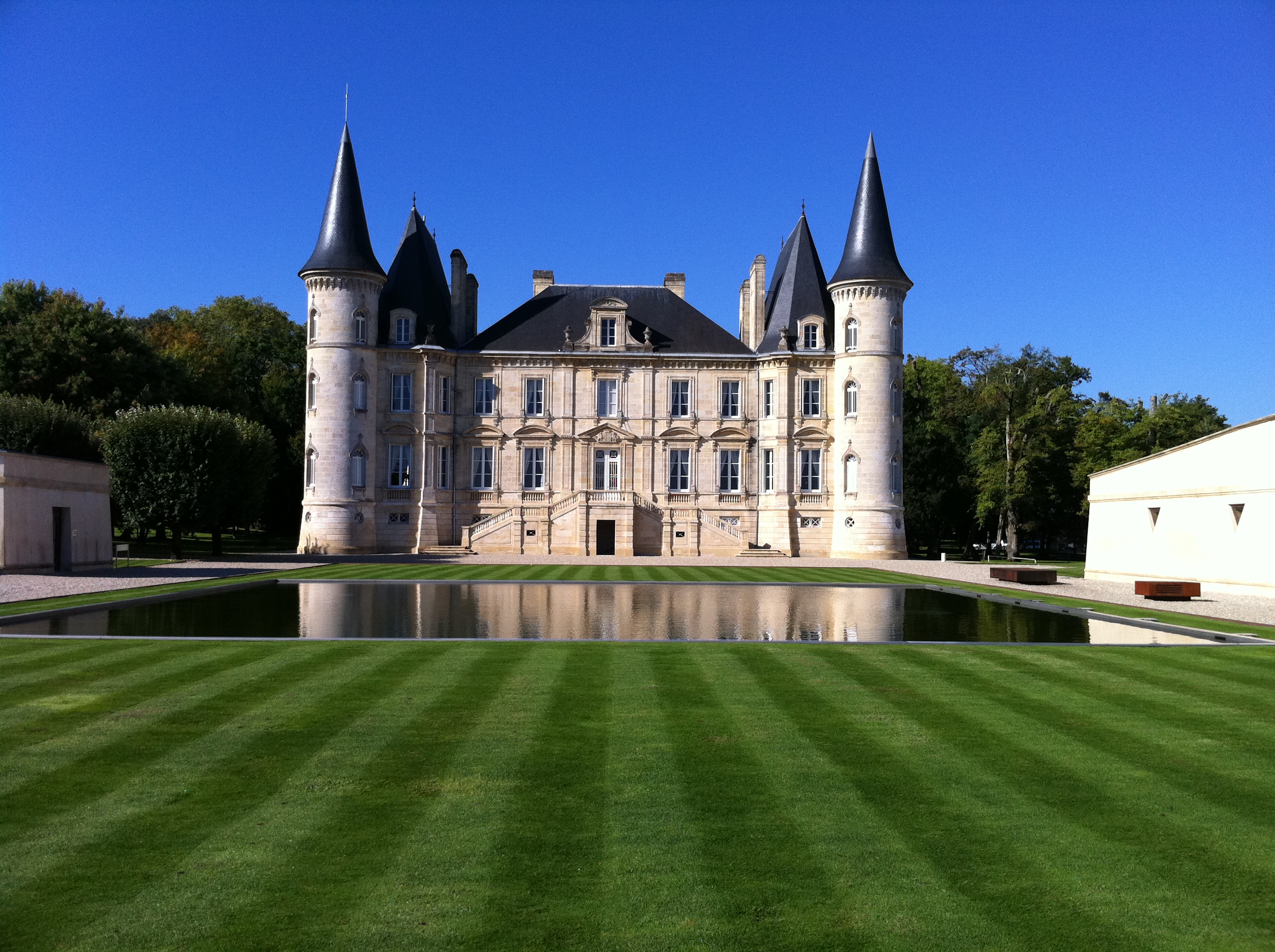
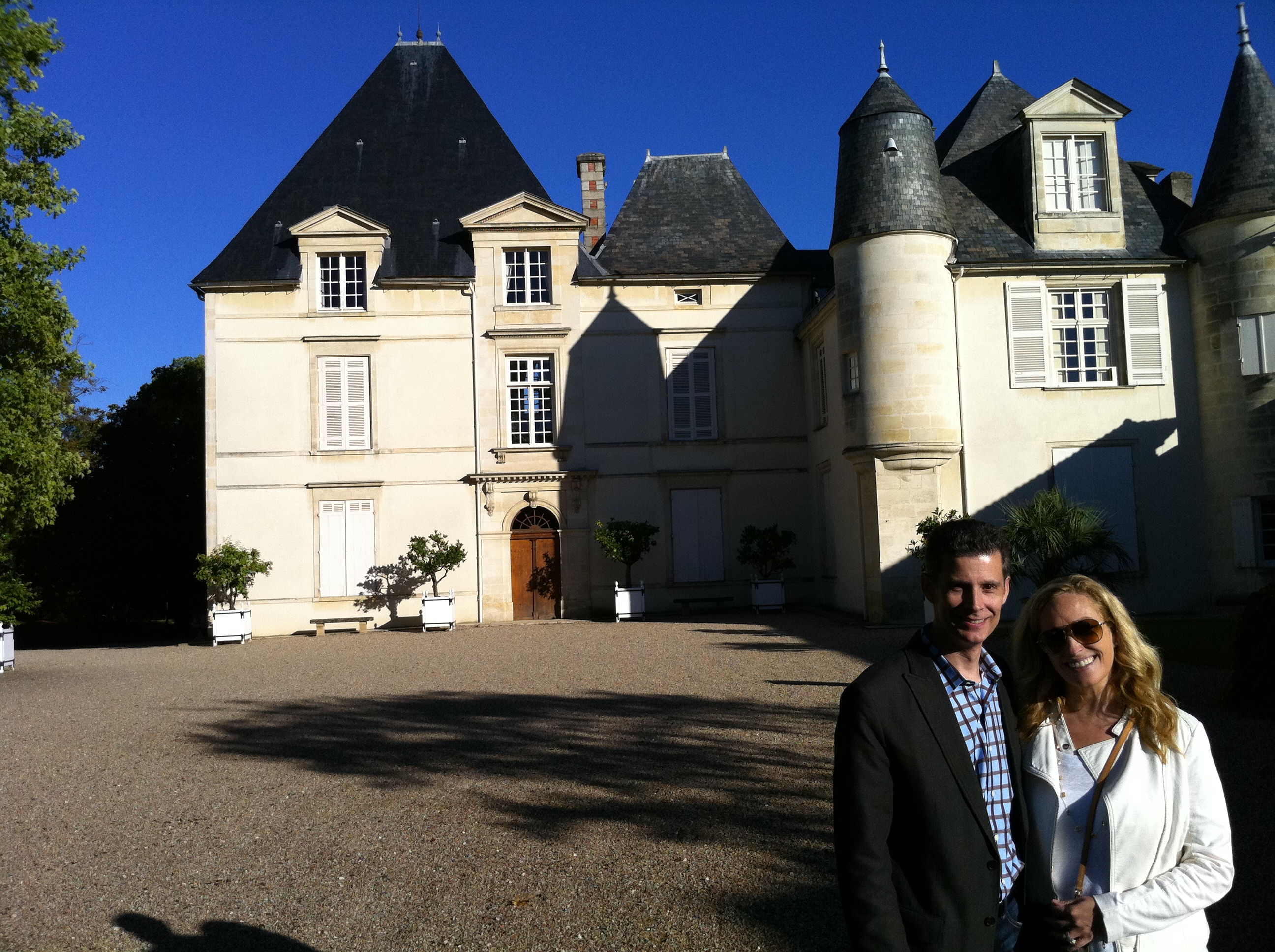
The captivating Pichon Baron.
Bordeaux 2013 2779
Chateau Haut-Brion.
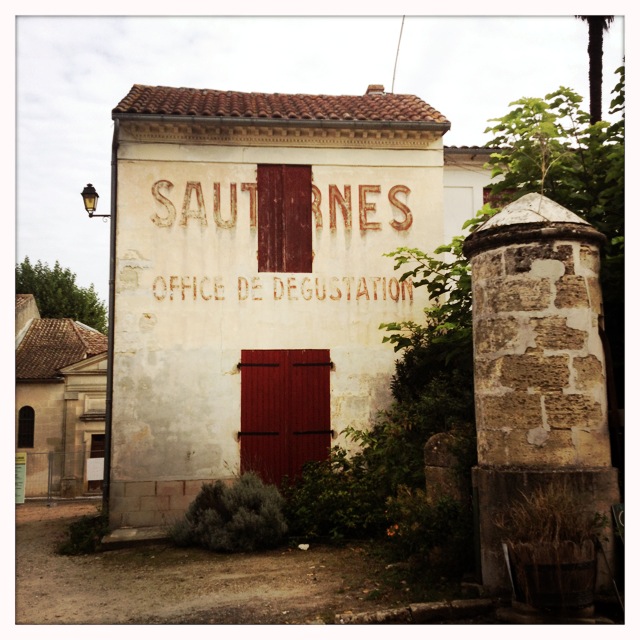
The town of Sauternes was a beautiful surprise.
The town of Sauternes was a sweet surprise.
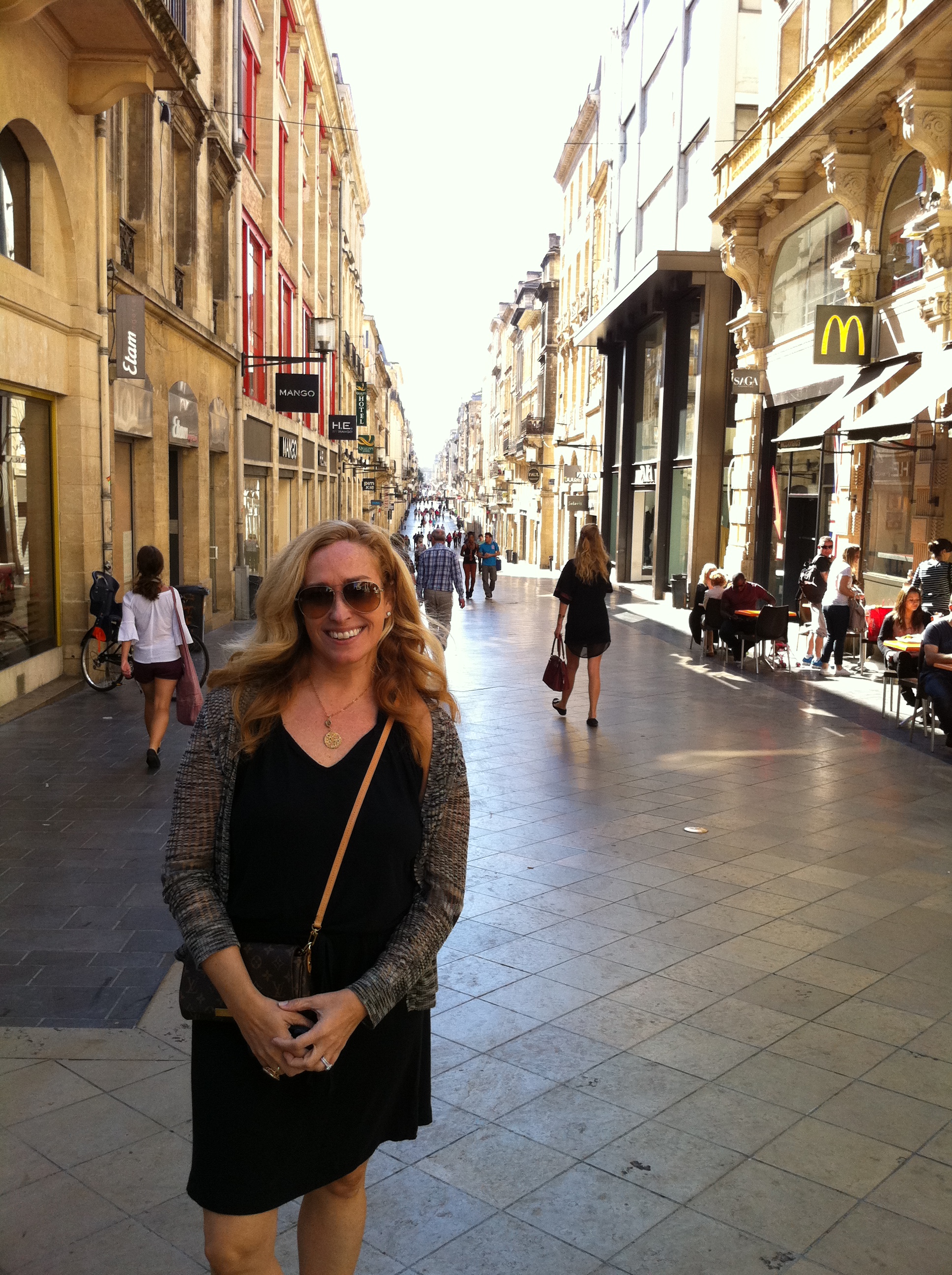
Christina in Bordeaux city.  Don't let that McDonald's in the back fool you - the food in Bordeaux is fantastic!
Christina in Bordeaux city. Don’t let the Golden Arches in the back fool you – the food in Bordeaux is fantastic!

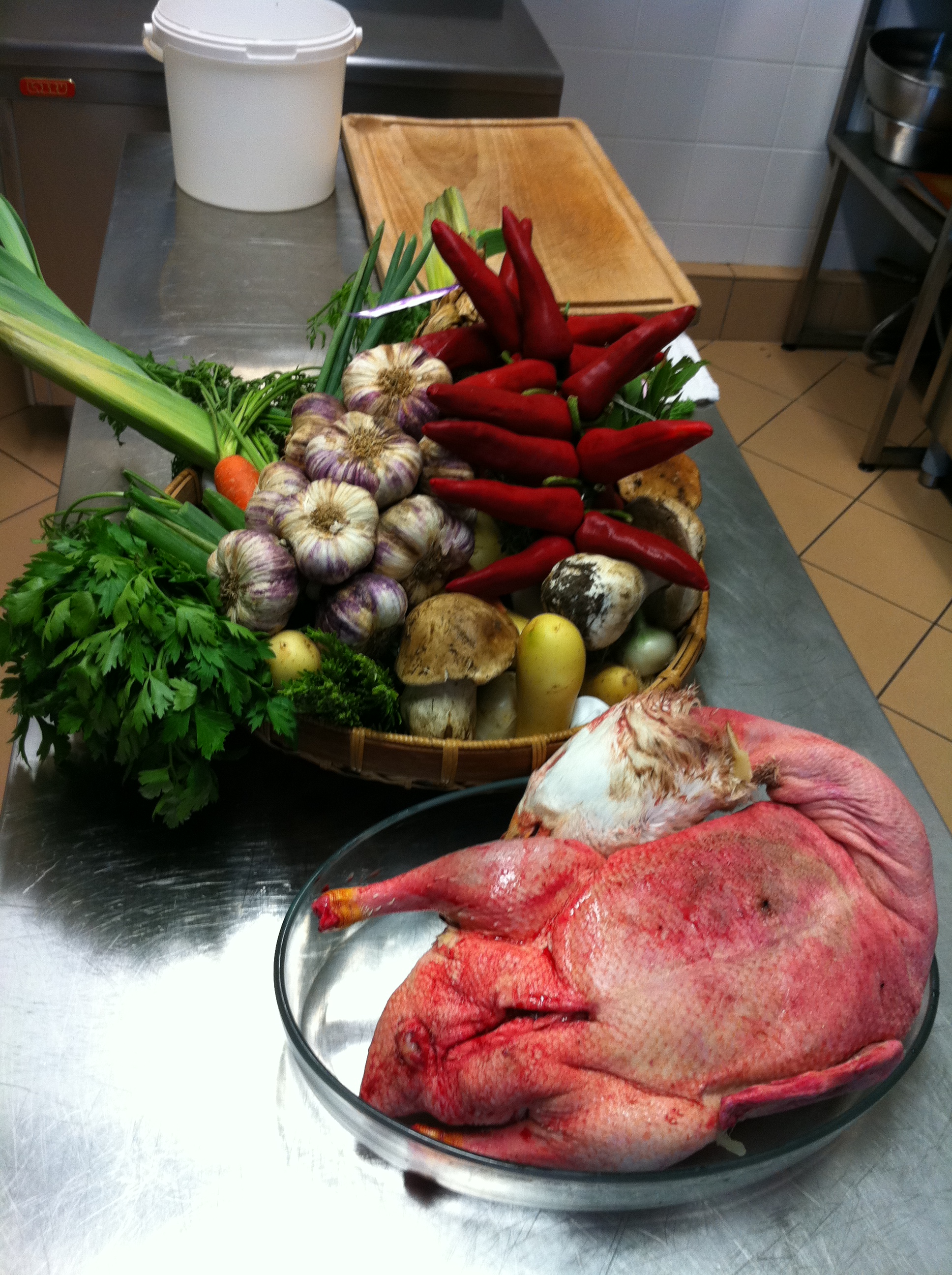
Next up, Krug makes its first appearance, and what’s up with that duck??

Duck, duck...
Duck, duck…

Summer Champagne Evening

My wine group got together last night for our annual summer evening of Champagne.  Our location was the house of good friends Ed & Joan, on their deck over the waters Lake Samammish –  a perfect setting for tasting a lot of wonderful bubbles.  The wine group of 8 guys meets about 10 times per year, and we generally do Champagne in the summer.  This is the one time of year that all of our significant others join us.   My wife is always happy about it, because she loves Champagne.

Most of our wine tastings are blind, but not this time.  Ed and Joan made a wonderful flank steak with green beans cooked in some sort of bacon fat – and the most amazing potatoes cooked in duck fat!  It was the perfect pairing for the Champagne and an excellent way to kick off the pending trips to France that three of the couples are planning this fall.

Everyone agreed that the line-up of Champagnes this year were all excellent – here are the wines that people brought:

NV Guy Charlemagne – Blanc de Blanc (100% Chardonnay) – Champagne, France:  Very nice toasty nose of bread and ginger spice.  Medium to full-bodied with baked apples and bread, with a nice medium – long finish.  This is a very nice bold masculine-styled Champagne, especially for the price range of $45.  (91pts.)

NV Besserat de Bellefon – Blanc de Blanc (100% Chardonnay) – Champagne, France:  Nice subtle nose of lemon and yeast, medium-light bodied with clean Chardonnay fruit and lemon in the mouth.  Medium lemon/apple finish.  My wife liked this more than I did.  It was more feminine in style and around $35.  (89pts.)

NV Aspasie – Cepages D’Antan – Champagne, France:  This is Aspasie’s high-end wine and they are owned by the Champagne house Ariston.  Exotic nose of ripe lemons and blood oranges, combined with smokey wood notes.  Medium-full bodied with spiced baked apples and lemon, good acidity and a medium-long finish.  This is a very nice Champagne that will age well over the next ten years, $100.  (93pts.)

1998 Taittinger – Comtes des Champagne – Blanc de Blanc (100% Chardonnay) – Champagne, France:  This is the high-end wine for Taittinger and it was an absolute beauty tonight.  Big, zesty lemony fruit on the nose.  Full bodied in the mouth with lemon, baking spices and intense electric acidity.  There was great minerality pouring through on the very long persistent finish.  This was the best showing I have had with a Taittinger Champagne in a very long time and it was the surprise of the evening.  This wine is feminine in style and still needs another 10 years to reach maturity.  Once it gets there it will be a show stopper, wow.  $185.  (96pts.)

1996 Egly Ouriet – Grand Cru – Champagne, France:  Smaller producer and not easy to get, but Egly Ouriet makes some great wines in all price ranges.  This was Egly Ouriet’s high-end wine.  Big, rich toasty apple and lemon fruit combined with ginger and baking spices, like nutmeg.  This wine is a big masculine styled Champagne, that just begs you to have food with it, not a delicate sipping Champagne by any means.  Very long, rich, spiced green apple fruit finish, beautiful $125.  (95pts.)

1996 Pol Roger – Chardonnay Blanc de Blanc – Champagne, France:  Big, bold spicy lemon fruit nose that carries through to the palate.  Nice long spicy fruit finish with very good acidity.   This is a Pol Roger middle end wine and they consistently make a great Chardonnay Blanc de Blanc in a masculine style $85.  (94pts.)

1996 Bollinger – Grand Annee – Champagne, France:  Very nice ginger bread and lemon nose.  This Champagne is full-bodied and very smooth in the mouth.  You get baked apples and lemon, combined with again ginger bread and very nice acidity on the very long finish, great wine and getting better $125.  (94pts)

1996 Krug – Champagne, France:  Big, strong nose of baked bread, apples and lemon.  Very masculine in style, huge, bold whole grain bread combined with spicy baked green apples and lemony acidity.  This wine is very smooth in the mouth, but with huge body.  The extremely complex finish of bread, spices and fruit, is incredibly long.  The finish stays in the mouth long after you have swallowed it.  The 1996 Krug is definitely a Champagne to have food with and is one of the best Champagnes that I have ever had.  It is still young, but has a long life ahead of it.  It is hard to imagine, but this champagne will get better with more time in the bottle.  In ten years, the 1996 Krug will be an absolute rockstar $350.  (99pts.)

When we have people over for dinner, we generally start the evening off with some Champagne.  Most people think of Champagne as something you open for a special occasion.  I say Champagne is great for any day of the week – life itself is enough of a celebration, and we certainly proved it last Tuesday night!  Thanks Ed and Joan!

My wife, Christina, with good friend Bill Schallert from Youngs Market Co.
My wife, Christina, with good friend Bill Schallert from Youngs Market Co. at the  champagne tasting.

2013 Auction of Washington Wines Gala

We were delighted to be the guests of Kris Middleton and Tony Lupino of Caderetta Wines on Saturday night for the Gala Auction.  Before heading to the auction festivities, we got together with friends for a quick drink and photo opp.  Here’s the crew in action:

Pam Harrington, Chris Figgins, Maura and Drew Bledsoe, Greg Harrington, Kris Middleton, Tony Lupino, Christina and Bob Watt.

The auction vibe was great this year – there was a pervasive sense of community and camaraderie in the room.  An impressive $2,000,000 was raised, a testament to the very well-run auction.  We very much enjoyed the company of the guests at our table, along with their great wines.  Unfortunately, we were having too much fun with our hosts to remember to take notes on the vintages, but we loved getting to taste the crisp SBS white, as well as the Caderetta Cabernet. Springboard and Windthrow.  Next time we’ll have to do less talking and more note-taking!